How High-Speed Rail Works

High-speed rail is more than a fast train on tracks. It is a complex, integrated system of systems. From infrastructure, systems and power supplies to trains and stations, every element works seamlessly together.
High-Speed Rail Fundamentals
open all20,000
0
186 mph +
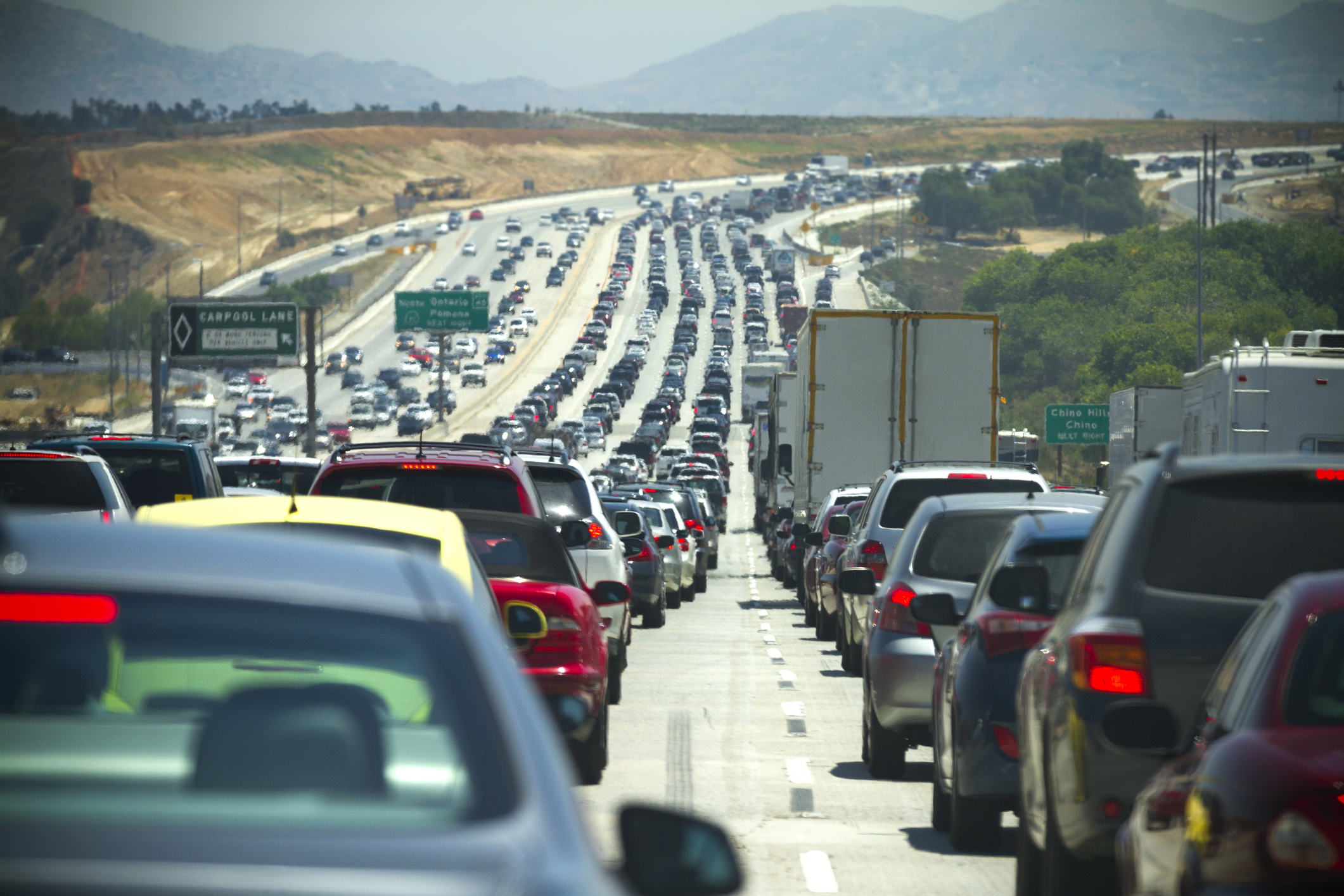
High-speed rail infrastructure is a specially built, sealed raceway that enables the safe operations of a series of closely-spaced, electric trains. These trains operate daily around the world at 186 mph and faster, linking distant regions.
High-speed tracks are built with wide, gentle curves and slopes so the trains can maintain consistent high speed throughout the system. All grade crossings are eliminated to maintain the complete separation of the trains from all other vehicles. The system is fully electric with power fed to the trains through an overhead catenary wire.
High speed rail systems carry 20,000 people per hour (10,000 in each direction). This is nearly triple the capacity of a typical airport, and double the capacity of a 10-lane freeway. High speed rail systems never suffer from congestion because the special dedicated infrastructure enables the continuous operation of speeding trains on time, every time.
1,000+
257 Million
30,000
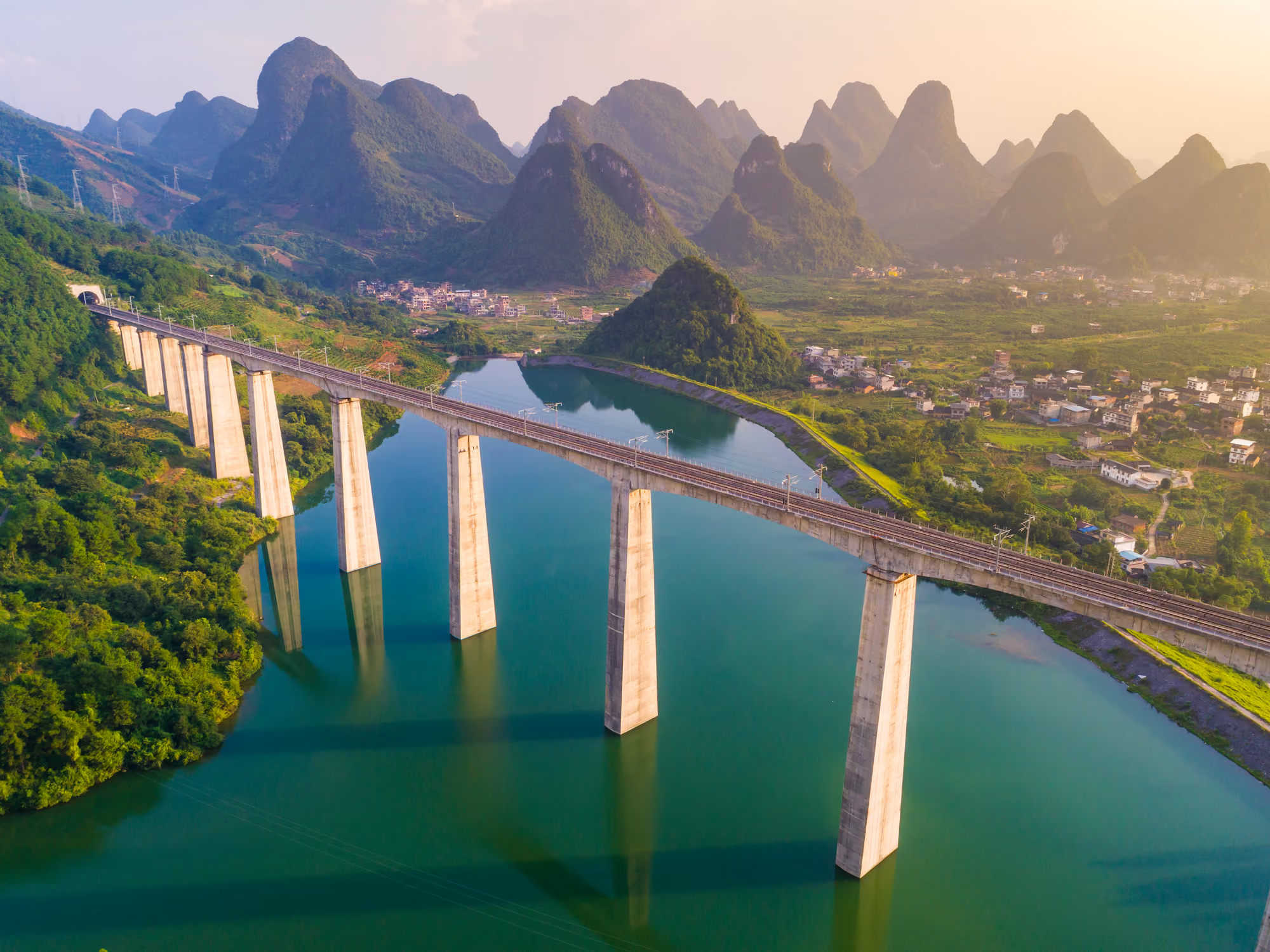
Train stations are the gateway to adventure and the entrance to cities. High-speed rail stations are exciting places featuring grand structures and interiors, as well as a constant flow of people and sleek trains.
Train stations are destinations in themselves with a wide variety of retail and food options, as well as a range of goods and services for the traveling public. High-speed rail stations are larger than normal to accommodate much longer trains, and a considerably larger flow of passengers. These stations are truly multi-modal places where other local rail systems converge along with transit and car services, parking, rental car facilities, and bicycles.
"Since the world's first railway station, Darlington,opened in 1826, stations have always maintained a special place in the public's affection. The lure of the great railway terminus has always been especially strong: the breathtaking grandeur, swagger and opulence of the architecture inextricably fused with the dizzying prospects of adventure, romance, escape or challenge offered by far-flung destinations."
- Steven Parissien, Station to Station
1,323
4+
30 years
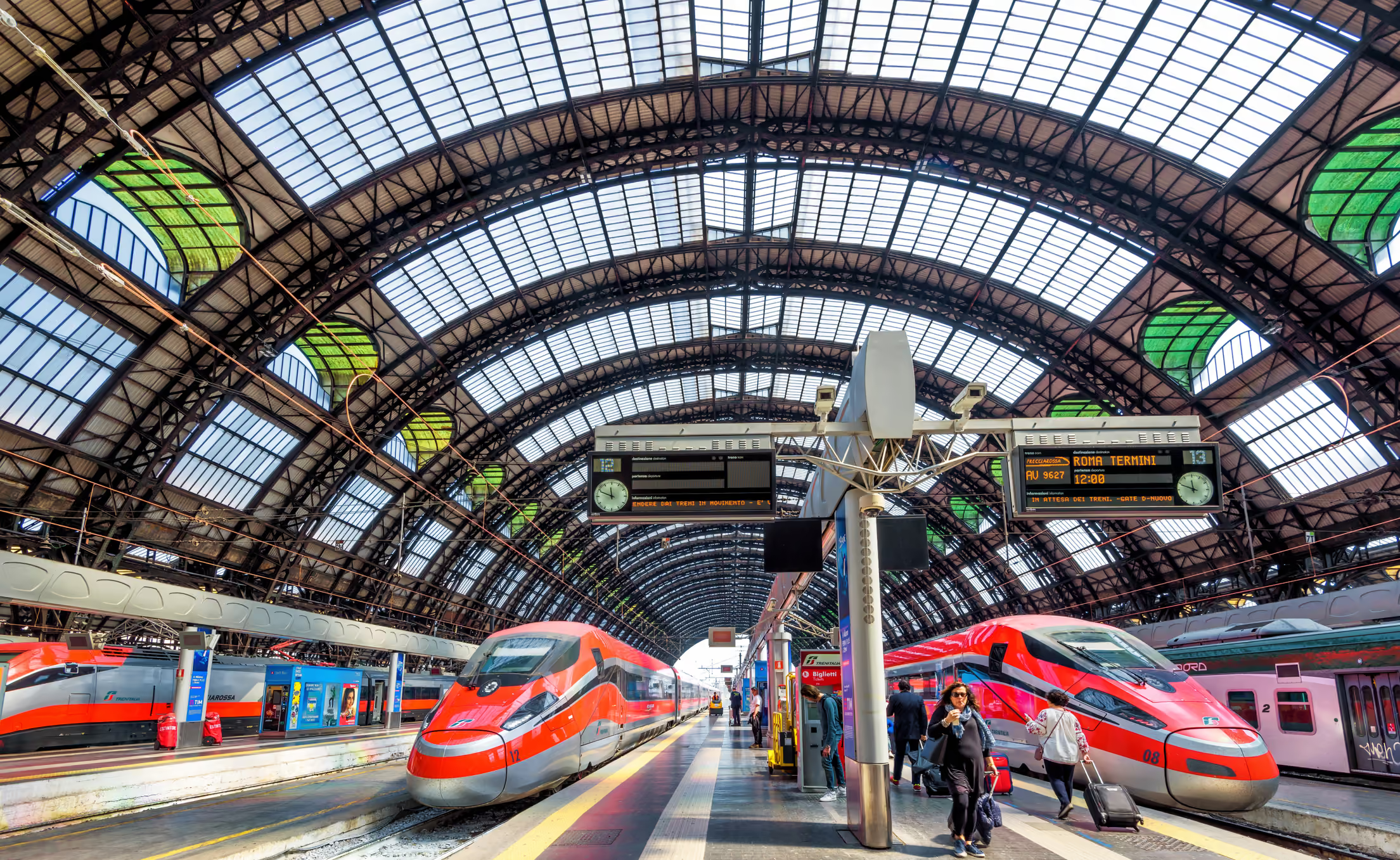
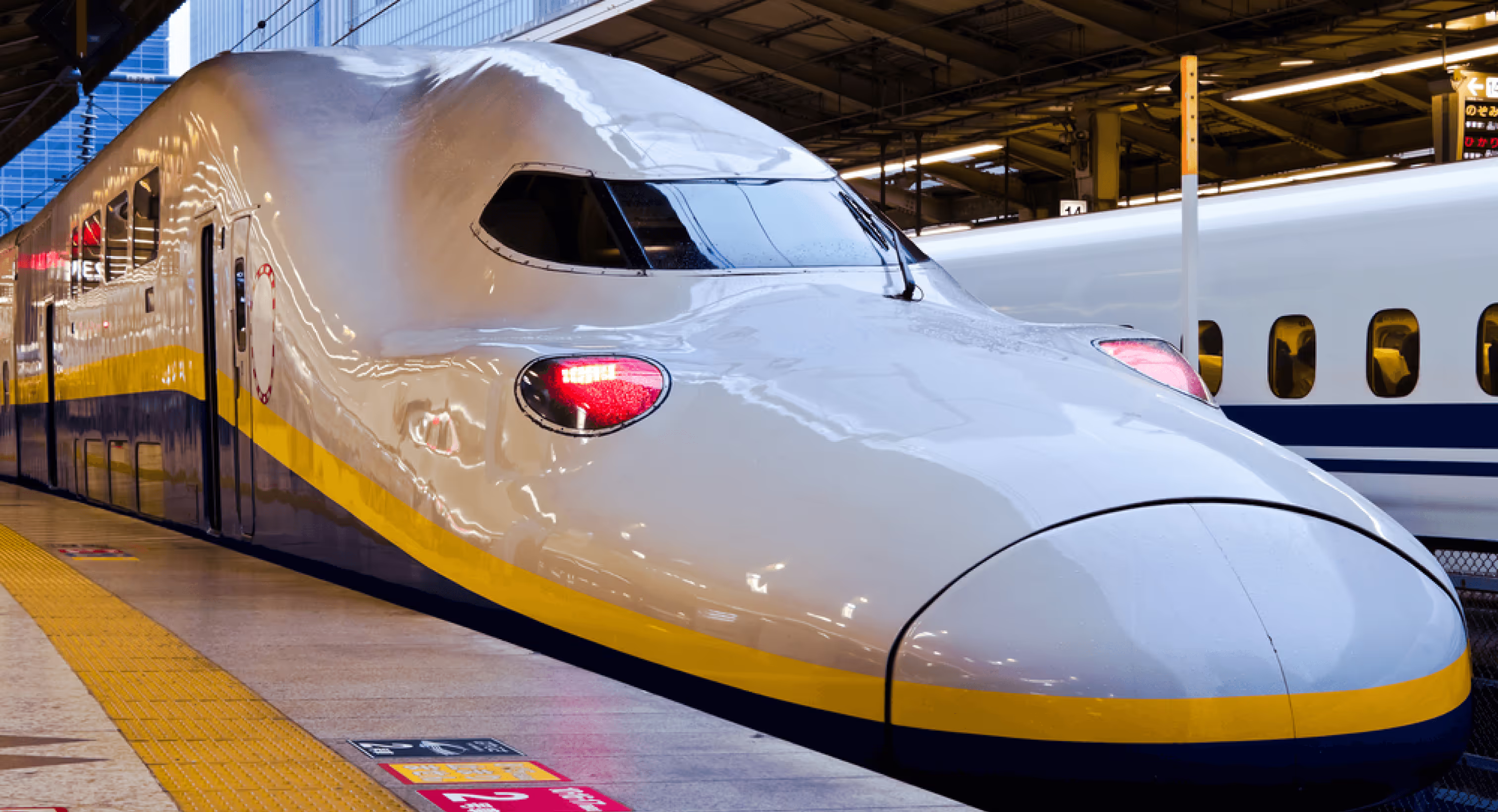
High-speed trains are the fastest electric vehicles on earth, traveling at near the speed of a Formula-One race car. They are aerodynamic, fast, and comfortable, and are the central component of a high-speed rail system. Technologically sophisticated and visually impressive, high-speed trains are capable of carrying well over 1,000 people per ride.
High speed trains offer a variety of amenities that make traveling and commuting a relaxing experience, including large, comfortable seats, wide tray tables, electric outlets, large windows, and plenty of legroom and luggage space. The trains also offer many home-style comforts, including hot meals, cold drinks, music, and movies.
They also can provide cafes, lounges and bar cars on board, offering passengers the freedom to move around the train as desired. Each train has a variety of seat configurations from first-class with larger seats and other amenities, standard seating, and no frills options – so everyone can afford to ride.

3 minutes
99.8%
9,436
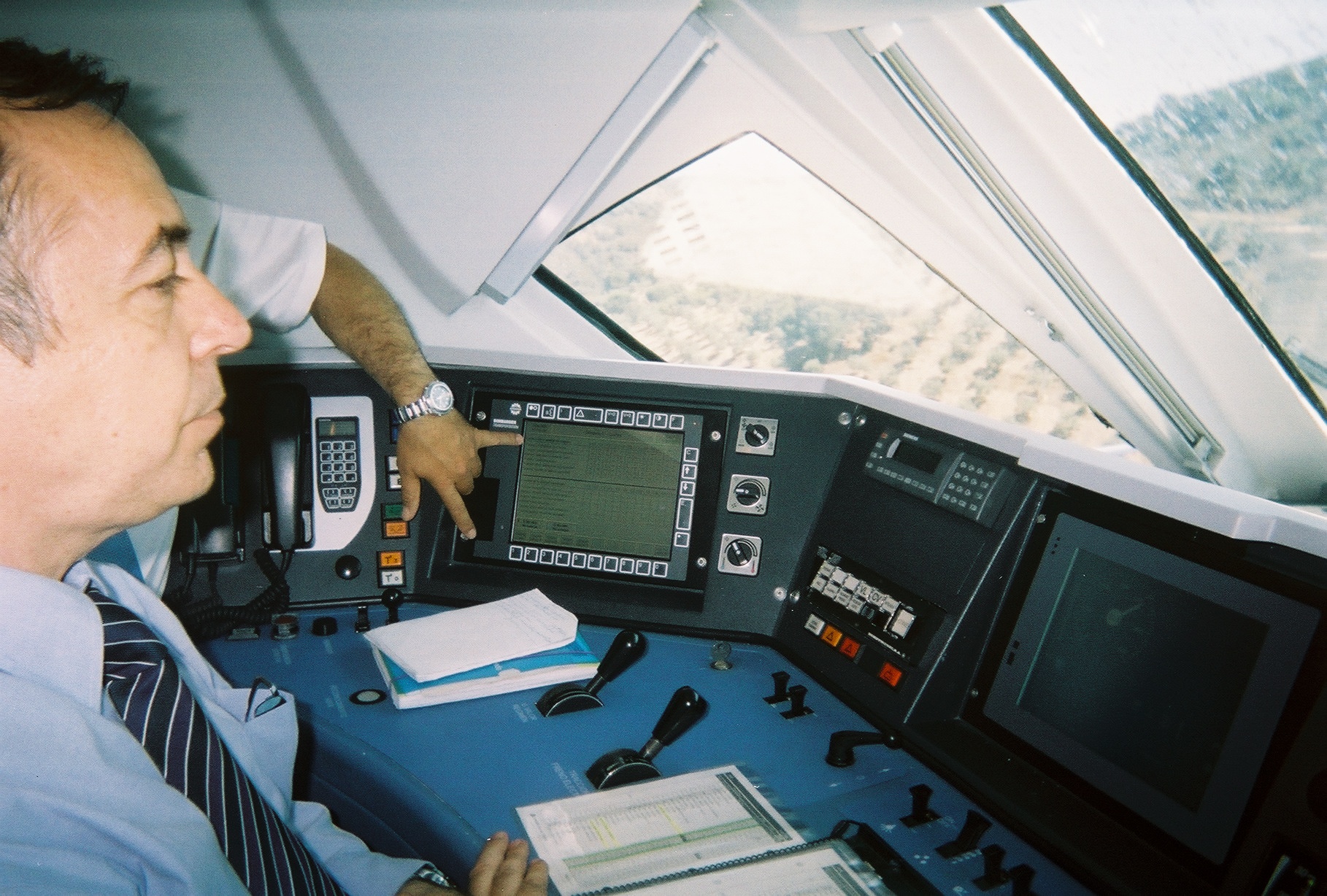
High-speed rail lines are precisely engineered systems. Operations are characterized by a series of closely-spaced, speeding trains running in sequence as little as three minutes behind each other. The entire operation is monitored and controlled in real time by advanced control centers full of engineers monitoring every train movement, the power supply and flow, and comprehensive safety and security of the entire network at all times.
High-speed rail systems are designed from the ground up for high capacity and total safety - and have proven around the world to be the safest mode of transportation possible. High-speed trains operate in their own sealed corridor specially designed to accommodate a fast-moving sequence of trains continuously operating in both directions.
Similar in operation to an urban metro system with its own sealed infrastructure, high-speed trains operate considerably faster, over much longer distances, and with far fewer stops. Problems and conflicts are designed out of the system from the start, so people can count on safe, reliable transport that delivers them on time, every time.
168 mph
10 days
30,000+
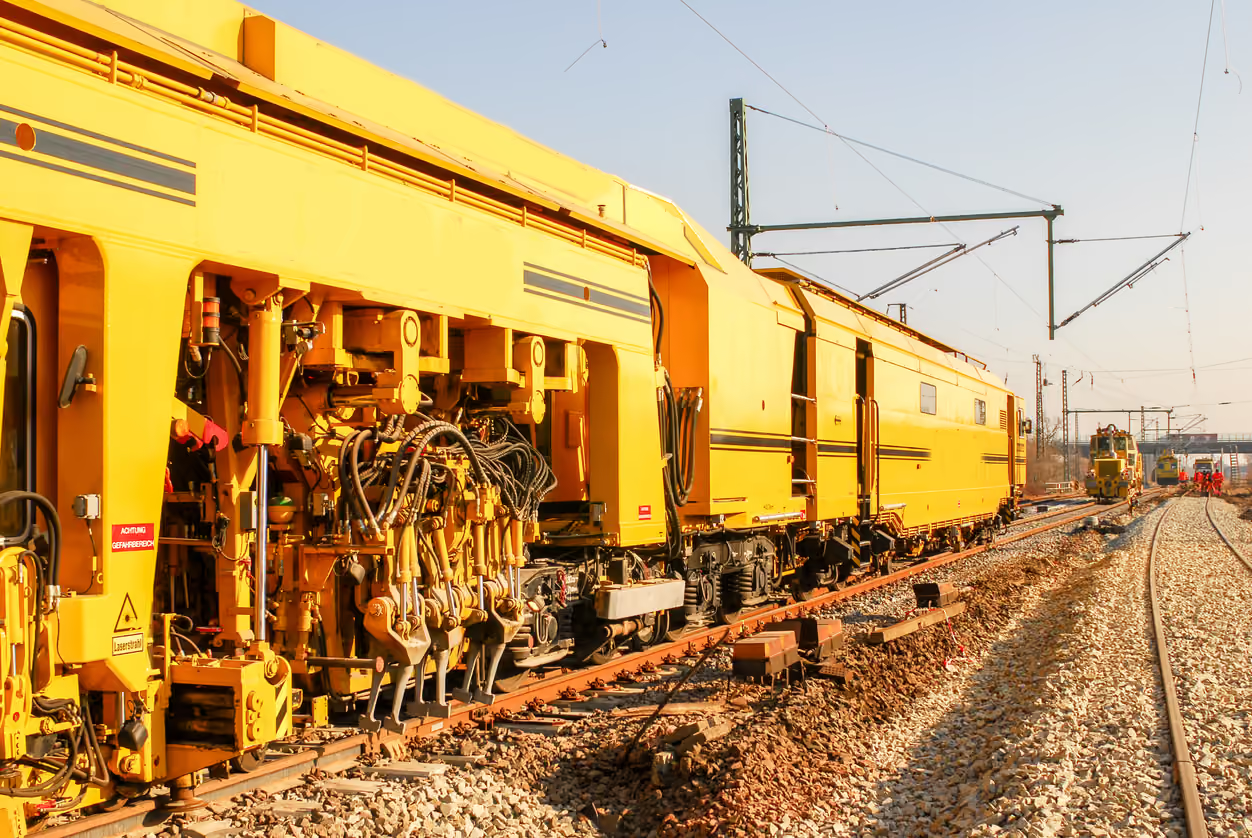
High-speed rail system maintenance includes nightly track inspection by special diagnostic trains and timely fine-tuning and repairs made as needed to maintain a safe operating environment. High-speed rail system care is usually carried out by a track management company specializing in precision maintenance, while train maintenance is usually carried out by the manufacturer under an agreement with the train operating company.
Because of the high speeds and large number of trains operating throughout the day, clockwork-like maintenance is essential to maintain the infrastructure and systems in excellent working order. Fast-moving trains full of people operating all day put pressure on the track infrastructure and alignments, as well as on the trains. While the entire system is designed for these daily loads and stresses, reliable maintenance is essential to maintain a smoothly operating system.
High-speed system maintenance includes precision track alignment and monitoring with advanced diagnostic and maintenance trains, which scan and correct issues including track alignment, surface quality of the steel rails, condition of the catenary, power systems, and the signalling system. High-speed rail maintenance also includes the care of the trains themselves – checking overall mechanical , power, electric motors, heating and cooling systems.
%20(1).avif)