Energy and Climate

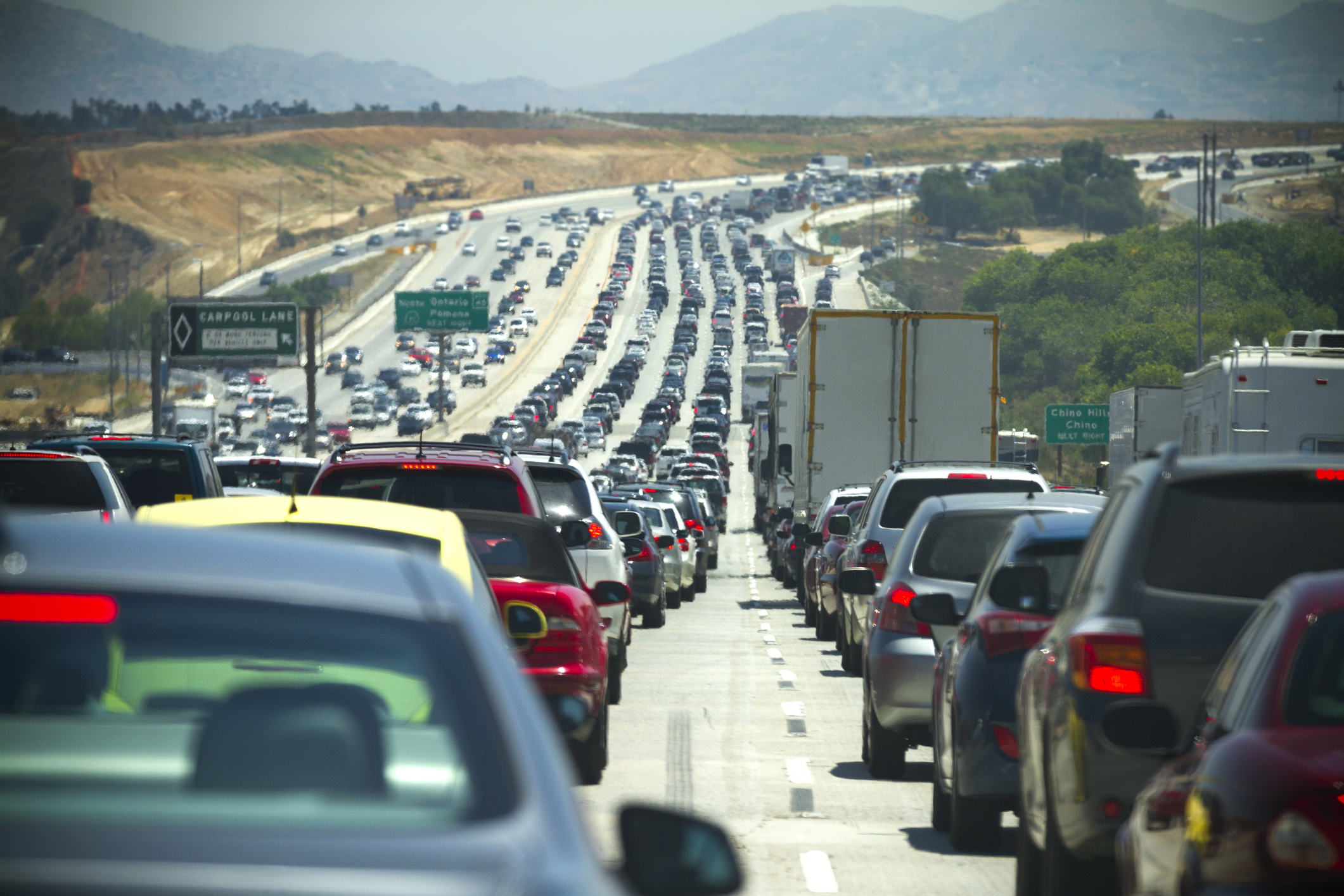
A nationwide high-speed rail network would put America on a vastly more sustainable footing. Electrified high-speed rail can cut emissions by up to 95% compared to flying and generate ten times fewer emissions than cars.
A full-spectrum sustainability solution
A typical two-track right-of-way is about 82 feet wide—roughly one-third the 246-foot width of a standard six-lane highway. One study estimates this saves about 24 acres of land per mile, or nearly 10,000 acres over a 400-mile corridor. Because high-speed rail can carry very large passenger volumes, it can provide transportation capacity while reducing pressure to convert additional land into highways.
SOURCE: Lincoln Institute of Land Policy
High-speed rail can decarbonize a lot more than just our rail system. It can make redundant many highly-polluting short-haul flights, reduce the need for millions of car trips, and provide an alternative to the ecommerce shipment system that uses energy-intensive, cross-country trucks and airplanes. No other solution comes close in solving climate change .
China has by far the largest high-speed rail network in the world - currently over 31,000 miles. A study by Chinese researchers found that the Beijing-Shanghai line - the most heavily traveled in the country - consumed about 70% less energy than vehicle and air transportation and produced about 85% less carbon.
High-speed rail frees up capacity on conventional rail to ship more freight, which produces fewer emissions than trucks and air freight.Bullet trains also have capacity to carry freight packages that currently travel by truck and plane.
High-speed rail shifts millions of trips off of polluting cars and planes onto clean, fast trains. One year after the Madrid to Barcelona high-speed rail line began operation it had captured 47% of airline market share for the 385-mile trip. By 2024, that share had grown to 82%.
SOURCE: Via Libre
100%
250+
6
California High-Speed Rail will save energy and help reduce the Golden State's oil dependency. It will also combat climate change by significantly reducing greenhouse gas emissions from cars, trucks and planes, saving over 11 billion gallons of gas, and using solar energy to power the system.
The project plans to build hundreds of acres of solar farms in the Central Valley and connect them to the traction-power substations that supply electricity to the trains through the overhead catenary system (OCS).
Battery Energy Storage Systems (BESS) will be colocated with the traction-power system. They will store solar-generated electricity and discharge it during peak-demand periods, reducing the amount of electricity that must be drawn from the grid.