
Quality of Life

High-speed rail offers options for more relaxing and fulfulling lifestyles. It is pro-social and brings people, businesses and communities closer together.
How High-Speed Rail Improves Quality of Life
Studies of life in cities before and after the arrival of high-speed rail found that it increased residents' sense of well-being, improved mental health, added leisure time, allowed families to save more and made travel more enjoyable.
A Chinese study of middle-aged and older adults found that high-speed rail improved their mental health by creating access to fast transportation that made family visits easier, enhanced social connections and made the air cleaner.
SOURCE: Science Direct
High-speed rail creates time; found time is like a free vacation every day. A stressful 2-hour commute suddenly becomes an enjoyable 20-minute trip. This means more time at home with family and friends, more time to sleep in, more time to be more active in your community, your garden, or your favorite sporting, cultural, or recreational activity, and so much more.
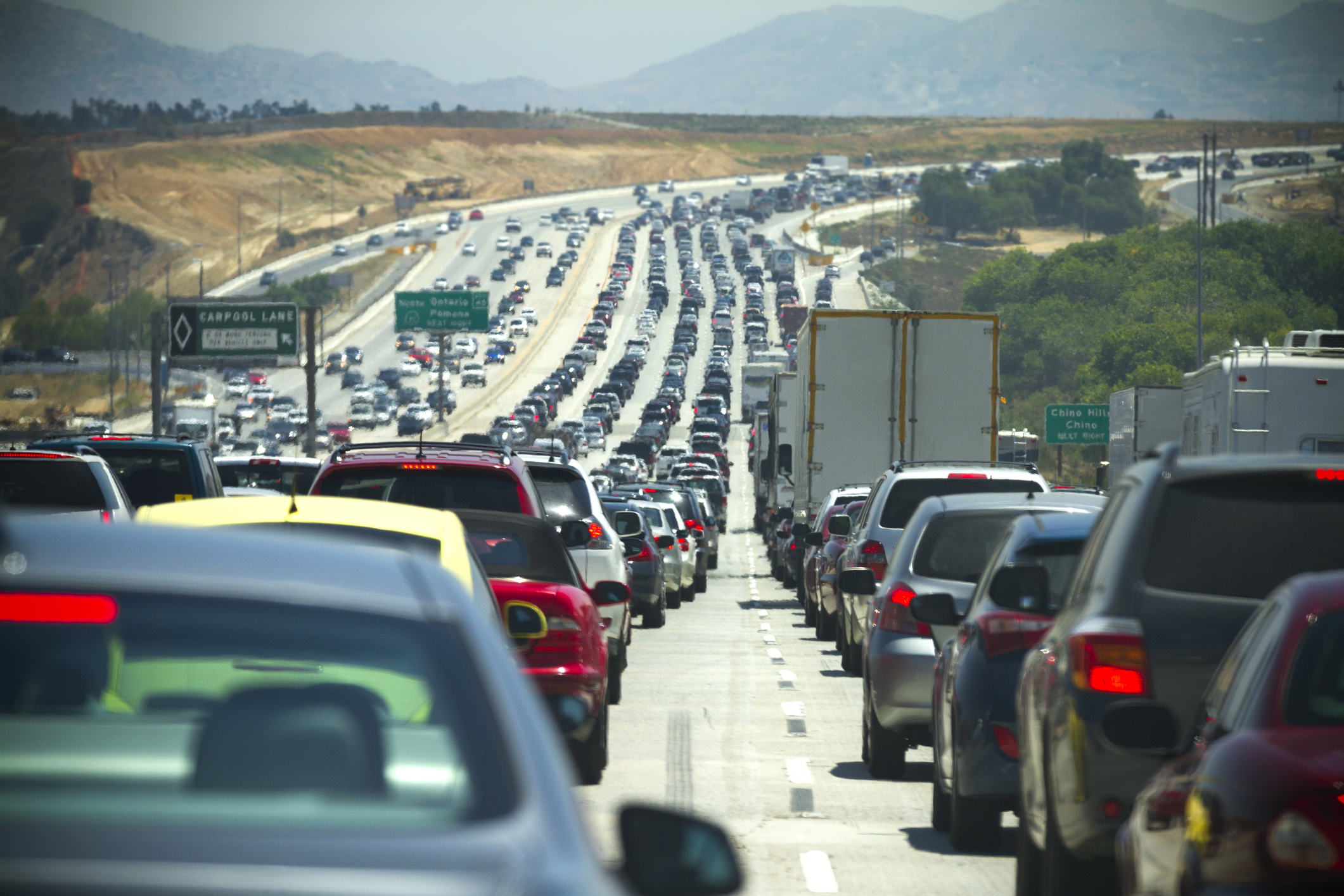
Flying and driving have both become a giant hassle, with constant problems, delays, accidents, back-ups, cancellations, and endless other issues. Airlines have cut services (and leg room) to the bone, making the experience even worse. Both modes are unpredictable, uncomfortable, and loaded with hassles and aggravation from start to finish.
High-speed rail, on the other hand, is a refreshingly new mode of transport for America that eliminates most, if not all, of the hassles of travel. The travel experience by high-speed train is enjoyable from start to finish.
SOURCE: High Speed Rail Alliance
The average American pays $11,600 per year, or $965 per month, to own and operate their car.
With the introduction of high-speed rail, families can save money by moving to a more affordable location, and shifting car expenses toward their mortgage, investments, or their children’s education.
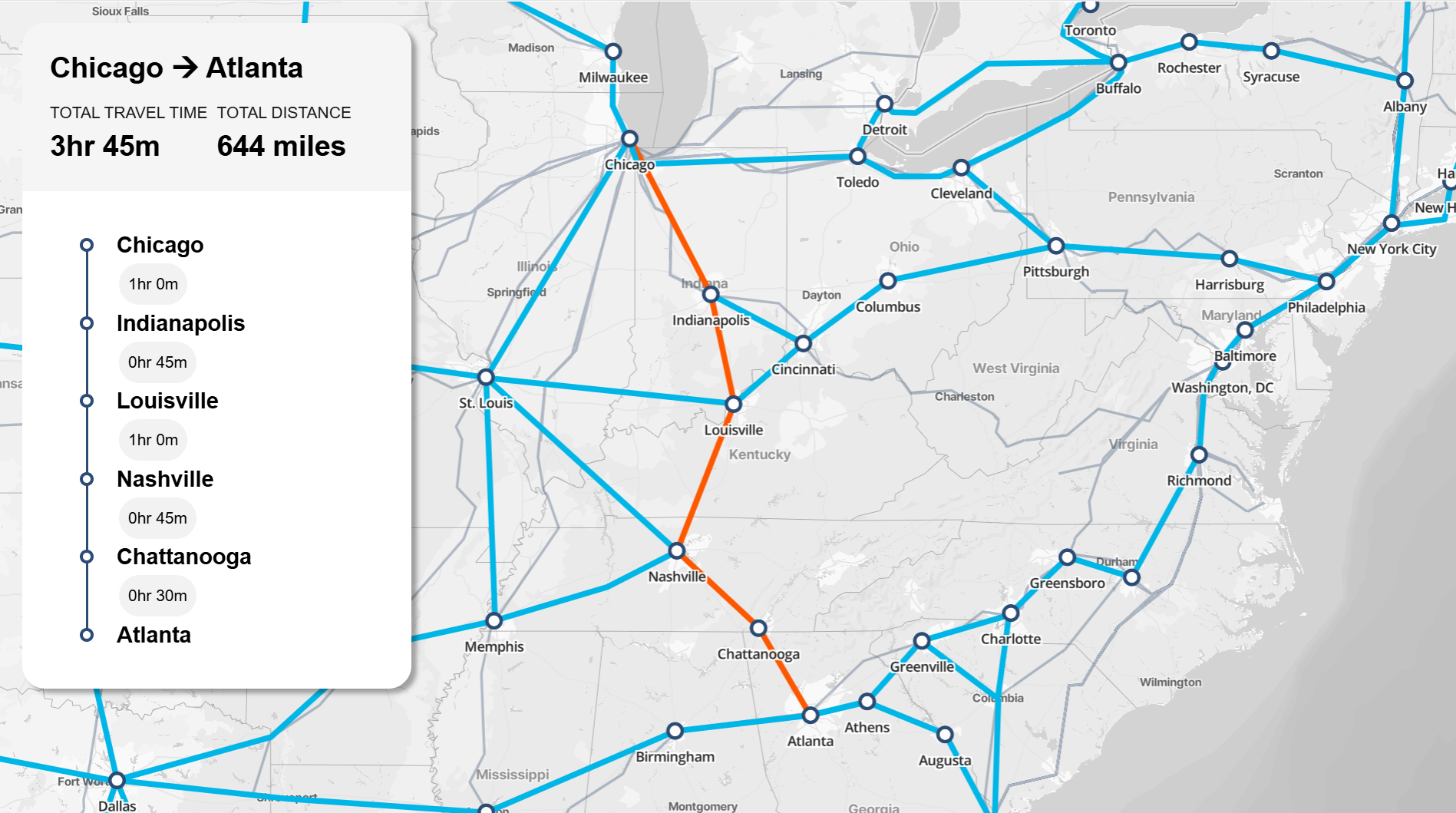
High-speed rail commuters can live in a smaller, less expensive community and reach a major job center in 45–90 minutes. Researchers in Spain found that high-speed rail has facilitated interregional commuting around major metropolitan areas, effectively allowing people to live farther from their workplaces.
High-speed rail strengthens family and social connections by making it easier to get together more often. It offers cleaner air, more walking, less stress from aggravating travel experiences, more free time to sleep in, exercise, and practice self-care. It also opens access to new social events, offering a widely expanded social network and all the benefits that can lead to.
40 years
1,741
4.6%
Japan has conducted multiple studies of the impact of high-speed rail on income and innovation in small towns and peripheral regions. One study of Japanese municipalities over 40 years found that high-speed rail mitigated regional inequalities by exposing formerly isolated communities to commerce, capital, and resources.
Before the arrival of the Shinkansen, the choice was to live in an expensive major city where housing prices were high or live someplace affordable but remain disconnected from a major economic hub and the opportunities it offered.
After the arrival of the Shinkansen, the choice changed. You could live in a small, less expensive city but with fast access to a major metropollitan area where wages were higher and entrepreneurial opportunities greater.


%20(1).avif)