
Global High-Speed Rail Index

From Asia and Europe to the Middle East, Africa and the Americas, more and more countries are operating and developing high-speed rail systems. Today, over 1 billion people enjoy access to operating high-speed rail lines within 50 miles of where they live.
ASIA - PACIFIC
open all31,000 miles
3.27 billion
#1
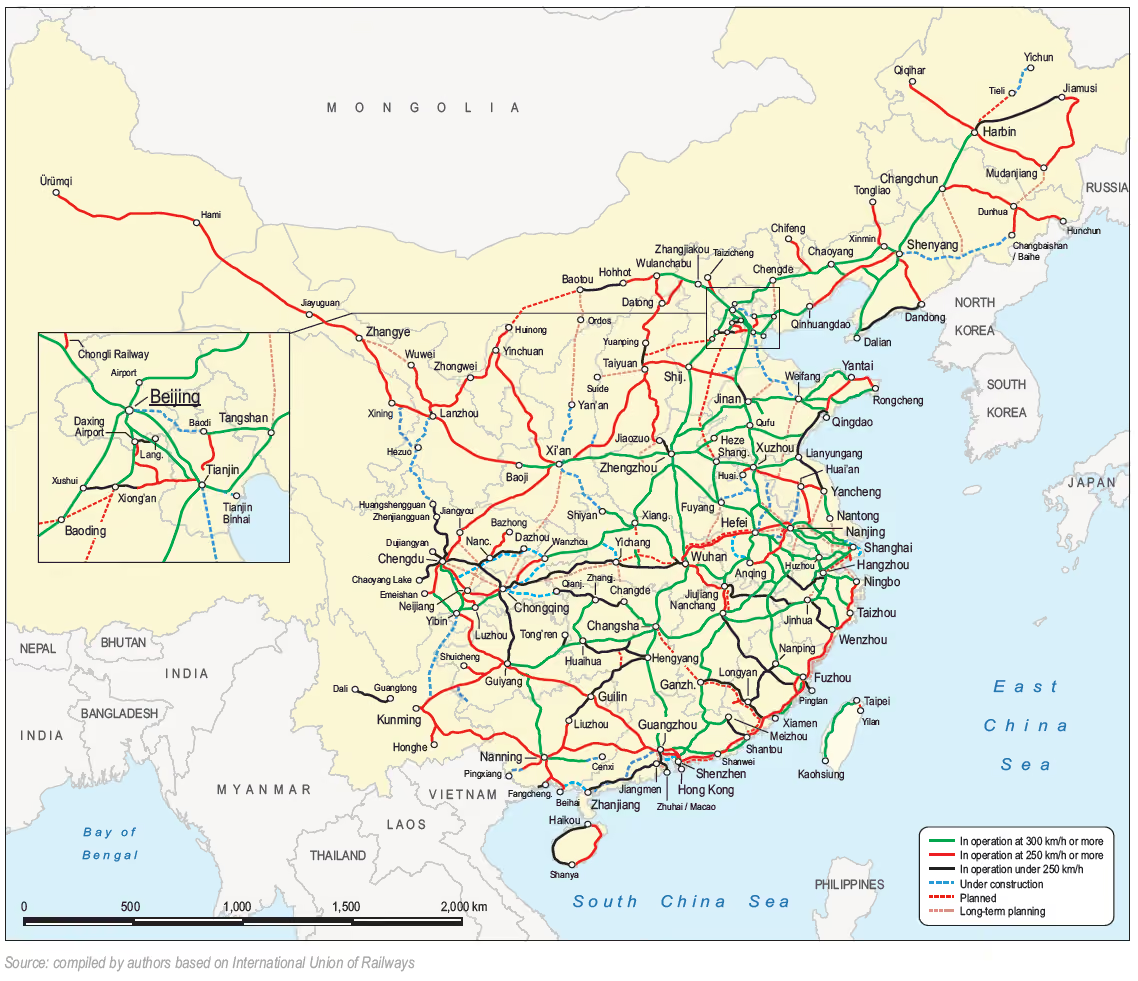
Since 2005, China has built by far the world's largest high-speed rail network - larger than the rest of the world's combined.
China's high-speed rail program began in 2008 with Beijing to Tianjin, followed by Beijing to Nanjing and Beijing to Shanghai. China built out a national grid at an extremely rapid pace to the current level of 31,000 miles and 3.27 billion passenger trips in 2024.
The country's bullet train strategy has been to connect huge population centers; reduce travel times; ease congestion on conventional railways; connect inland rural areas with coastal economies; spur development in poorer regions; and create a domestic rail industry, among other factors.
1,905 miles
400 million
1964
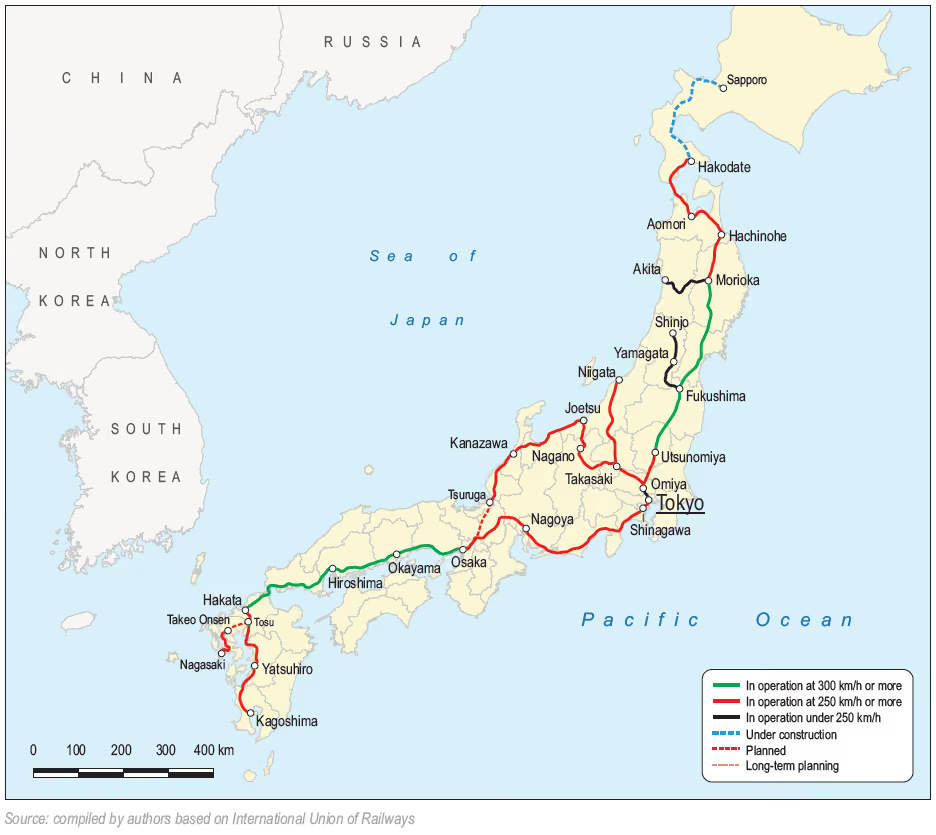
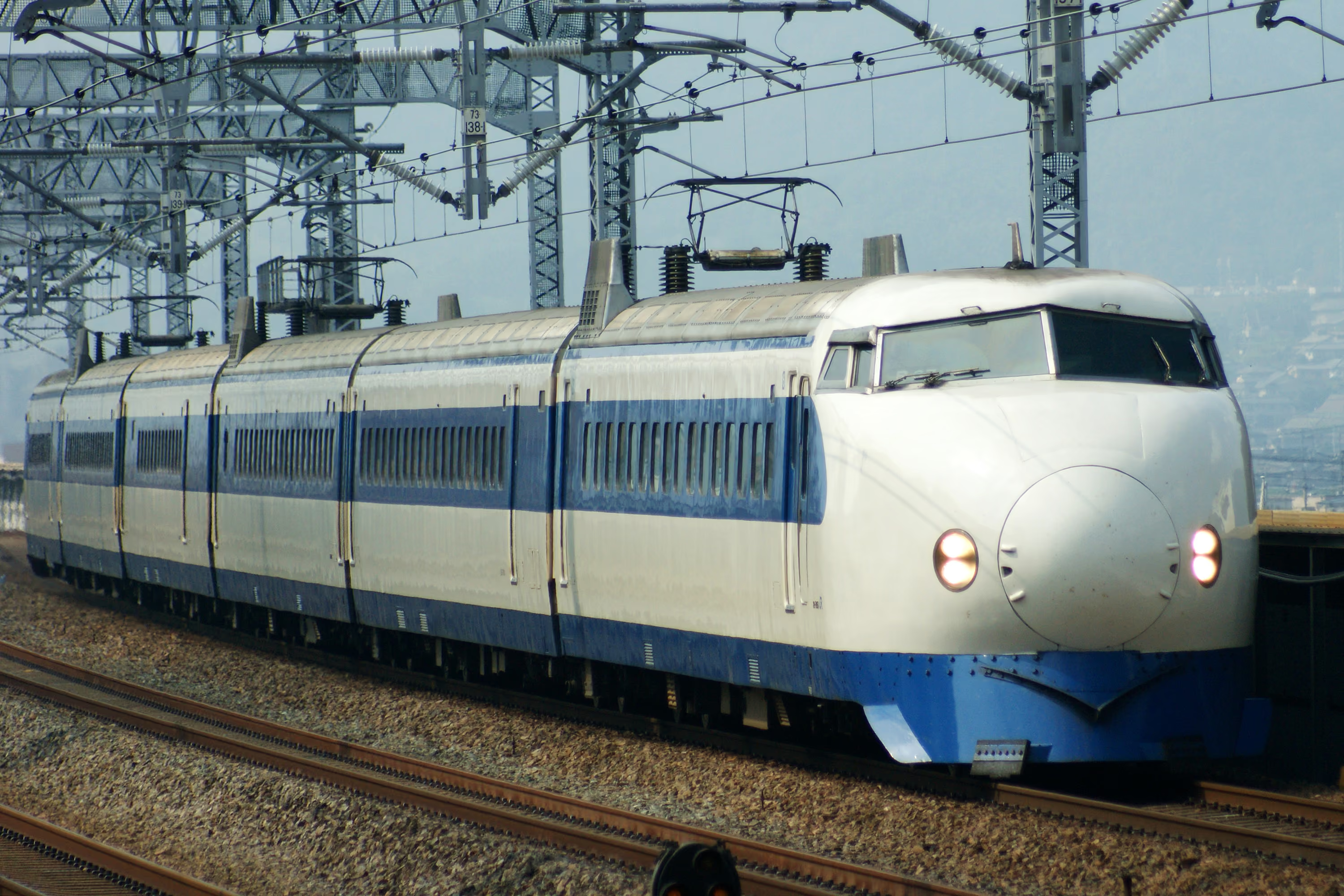
Japan invented high-speed rail, rolling out the Shinkansen bullet train in 1964.
In 1964, Japan opened the Shinkansen, the world's first high-speed rail line from Tokyo to Osaka, instantly becoming the global model for high-speed rail. It has expanded to include nine lines linking 22 cities on its three main islands, with new lines in development. The Shinkansen serves 60 million people, about half of Japan's population. High-speed rail runs at a top speed of 200 mph, with trips running from Tokyo to Osaka in 2.5 hours compared to 6 hours by car.
The Shinkansen has a flawless safety record, with zero no fatalities in 62 years of operation. High-speed trains arrive every 3 minutes, carrying hundreds of millions of passengers every year.
Faster commute times mean workers can live farther from urban centers where good jobs are more plentiful. Rail companies operate hotels, department stores and other businesses around stations. "In-station retailing" is big business.
459 miles
119 million
955
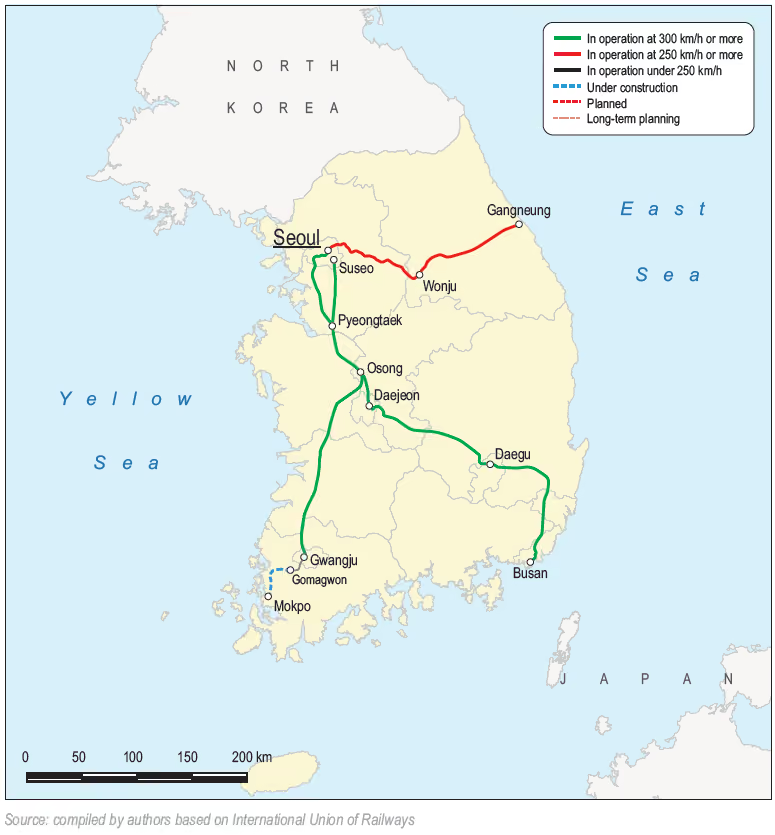
Constrained by its compact geography, South Korea operates one of the most intensive high-speed rail systems in the world.
The country's KTX system has reduced heavy congestion in Seoul, cut travel times in half between major cities and expanded long-distance commuting. Workers earn higher wages in urban markets andl live in affordable "second cities."
Trains run almost continuously on the country's main 260-mile line from Seoul to Busan. Demand is so strong that tickets sell out weeks in advance. The system transports 93 million passengers annually.
217 miles
82 million
99.3%
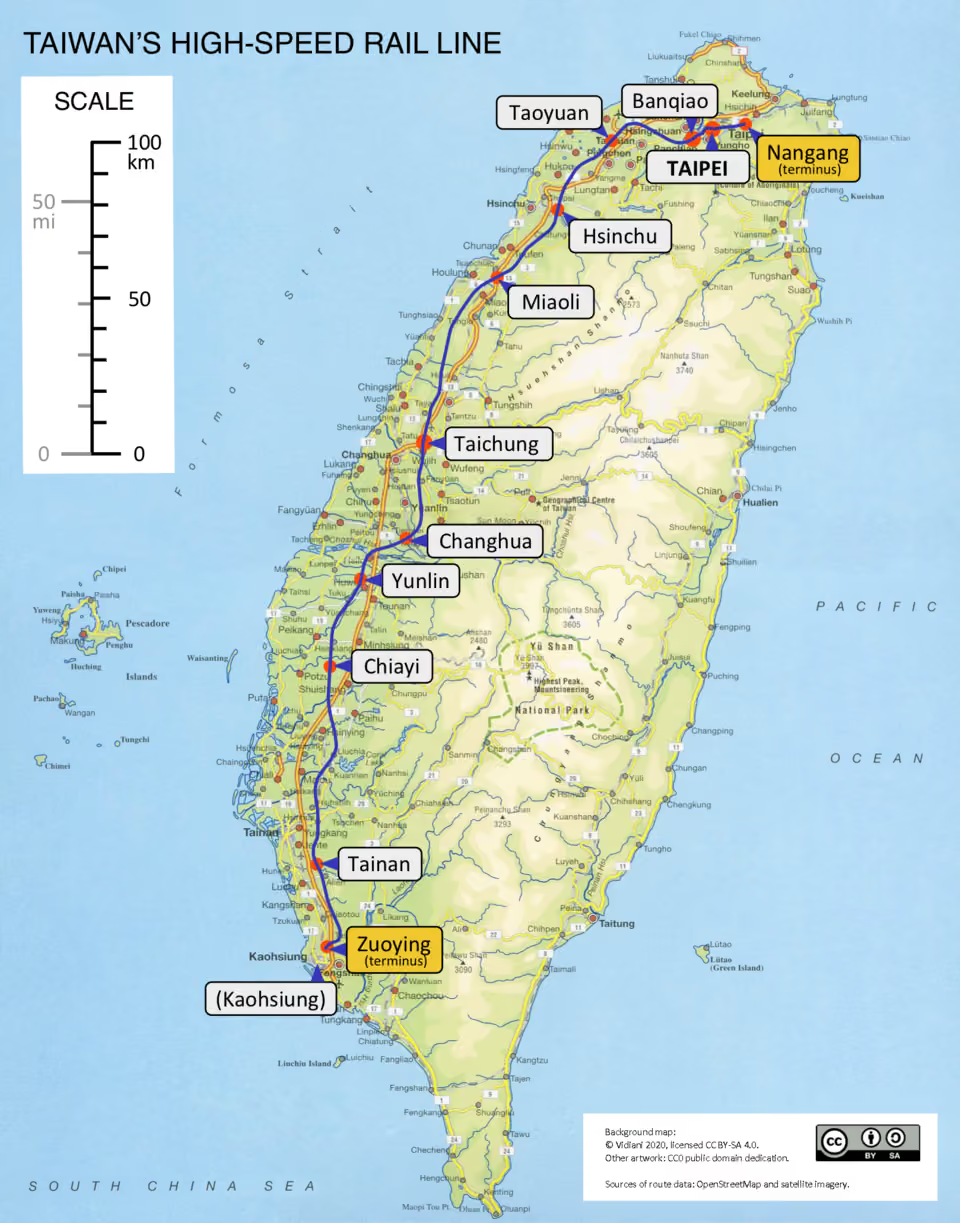
Taiwan High-Speed Rail launched operations in 2007 to connect the densely populated west coast from Taipei to Kaohsiung.
The line shortened the travel time between the two cities to about 1.5 hours, less than half that of car travel. This has enabled people to live and work over a much larger geographic area. Ridership reached a record 82 million in 2025.
Taiwan high-speed rail lines operate at 186 mph, with the infrastructure designed to accommodate top speeds of 220 mph. The system carries about 225,000 passengers onthe 1,000 foot long 700T trainsets, which each hold 977 seats.
88 miles
6 million
#1
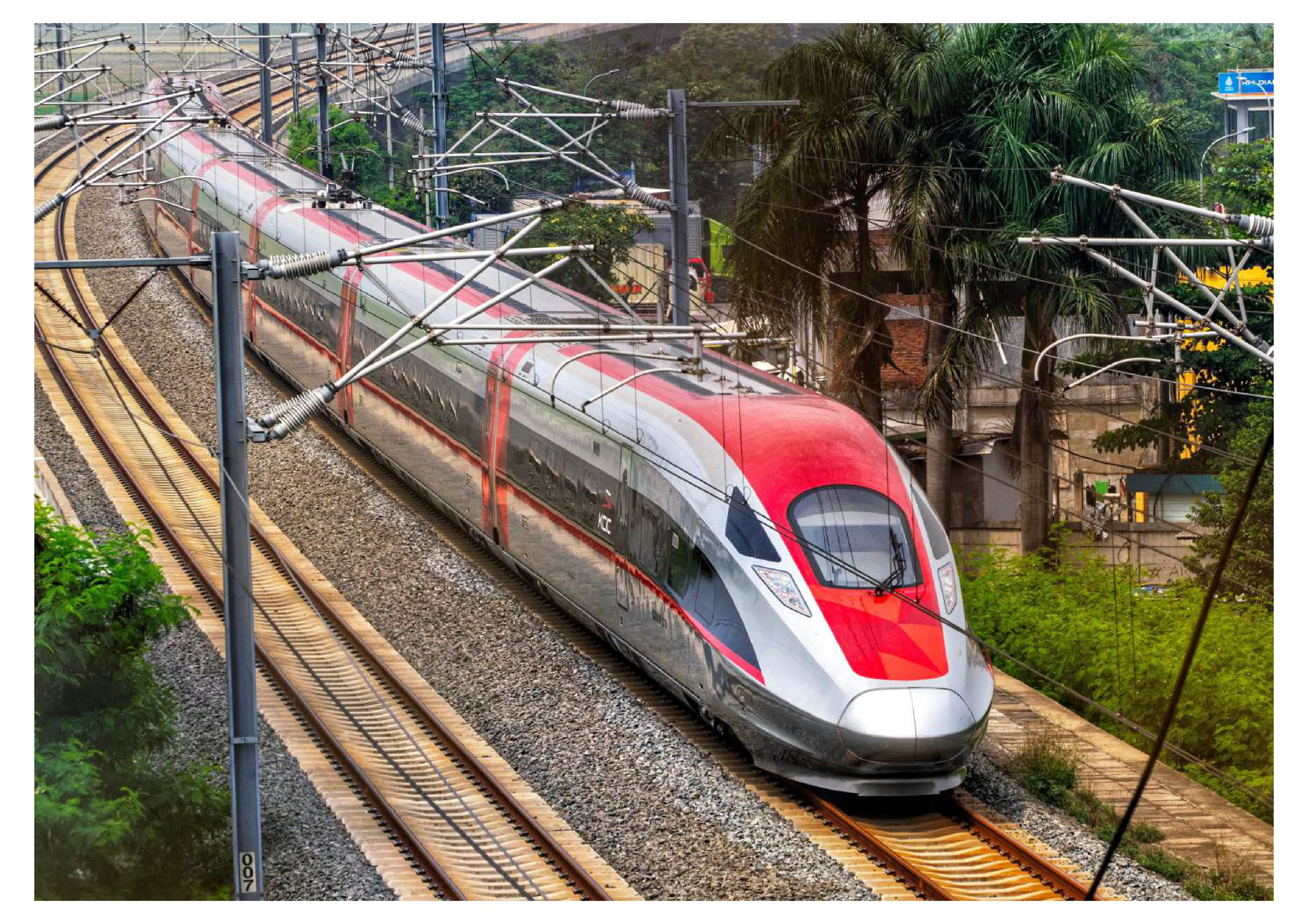
Backed by China, Indonesia launched The Whoosh, the first high-speed rail in Southeast Asia.
The project is supported by loans from the China Development Bank as part of its Belt and Road Initiative. The line runs for 88 miles at speeds that can reach 217 mph. Annual ridership is estimated at about 6 million passengers per year.
Major objectives are to relieve traffic congestion around Jakarta and promote Greater Jakarta's expansion, while connecting to Bandung in West Java. Developing domestic rail technology is also a priority.

985 miles
44.7 million
$67 billion
Construction on Vietnam's first high-speed rail line from Hanoi to Ho Chi Minh City is planned to begin in 2026.
The Vietnamese government has approved a project that will span 958 miles, featuring 23 stations across 20 provinces and cities. Trains will be capable of traveling at more than 200 mph. Completion of the rail line is projected for 2035.
Travel time from Hanoi to Ho Chi Minh city will be drastically cut from 30 hours on the old colonial-era track to 5.5 hourson high-speed rail. The goal is to integrate the north and south economically, reduce dependence on highways and aviation, connect urban centers, and promote development along the corridor.
316 miles
34 million
$192 billion
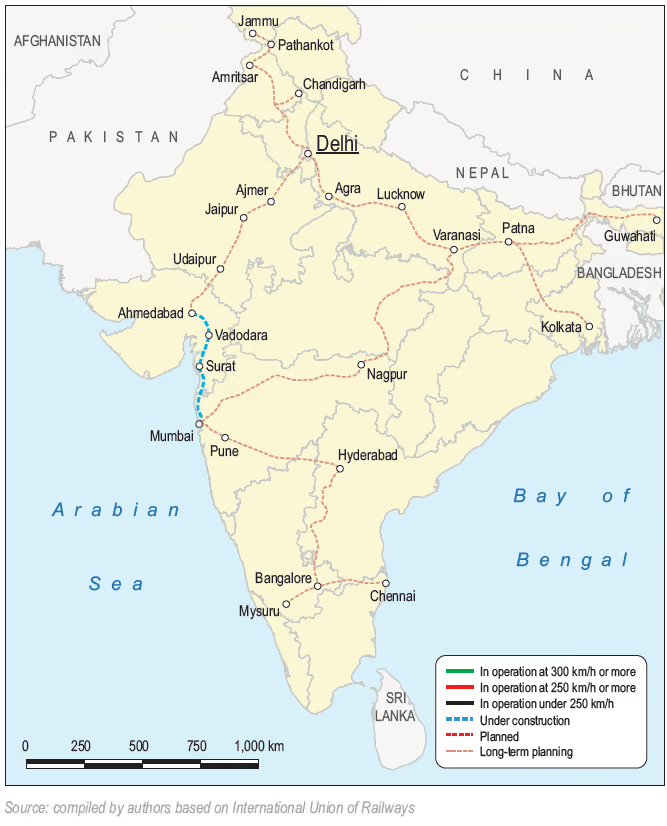
India's first 186 mph high-speed trains will travel from Mumbai to Ahmedabad.
Work is underway on piers, viaducts and tracks. There will be 12 stations along the 316-mile route, which includes one of the largest concentrations of population, manufacturing, and commerce. The government has approved $192 billion for seven new corridors.
The project will dramatically lower travel times between Mumbai and Ahmedabad to about 2 hours from 7 to 8 hours by car or conventional rail. It will increase passenger capacity, spur development around stations, and develop India's engineering and manufacturing industries.
1,118 miles
54 milion
199 mph
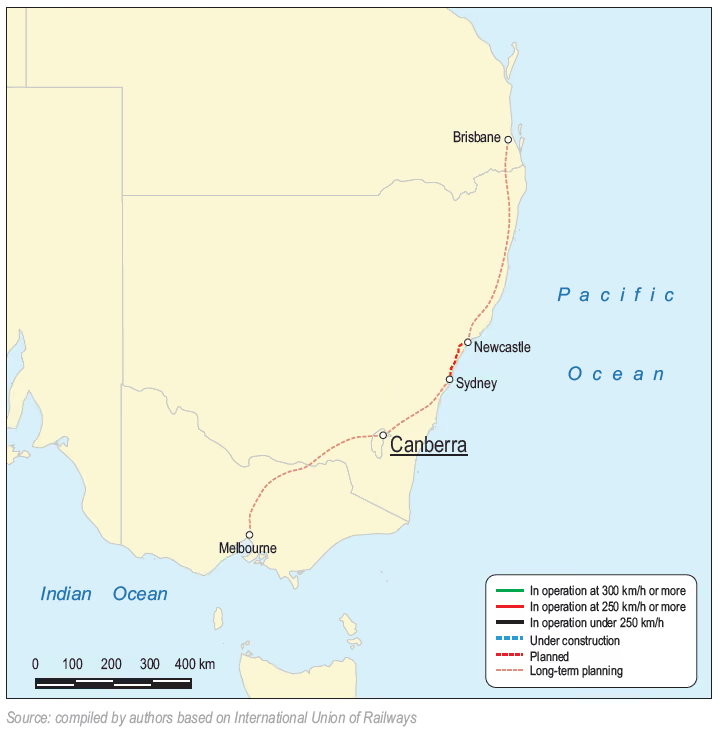
Australia plans to build 1,118 miles of high-speed rail connecting Brisbane to Sydney and Melbourne.
The first leg will be from Sydney to Newcastle, now in the development stage, with a projected trip time of about 1 hour. High-speed rail will connect cities, regions and economic centers and allow people to live where they want and commute to good jobs and better opportunities in urban hubs.
The government's business case for the Sydney to Newcastle segment projects it will generate about $250 billion in economic activity. Australia's population is concentrated on the east coast and dependent on air travel. High-speed rail offers a faster alternative.
EUROPE
open all2,500 miles
40 million
#1
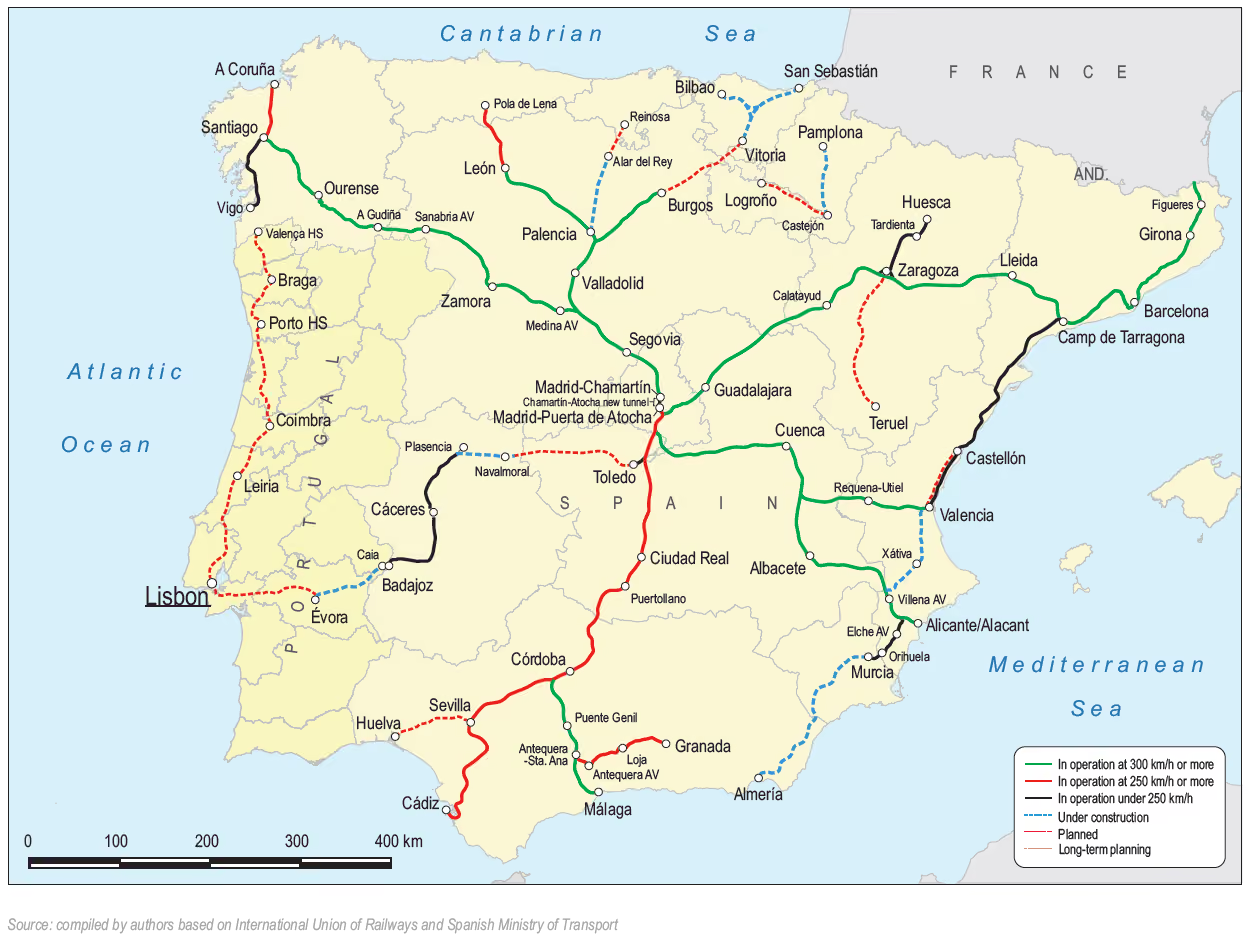
Spain launched it's first high-speed rail line connecting Madrid and Seville in 1992. It now has a 2,500 mile high-speed rail network, the second largest in the world.
Today, Madrid is the hub of a national network with lines to Barcelona, Valencia and a number of other cities. There has been a dramatic mode shift with high-speed rail accounting for 70% to 90% of market share for short-haul trips (under 3 hours) once dominated by airlines.
High-speedrail has intensified competition among rail operators and increased the total volume of annual passengers to 40 milion. It has shifted employment to the service sector from agriculture and manufacturing with faster access to good jobs. And it has reduced carbon emissions over time.
1,700 miles
168 million
1981
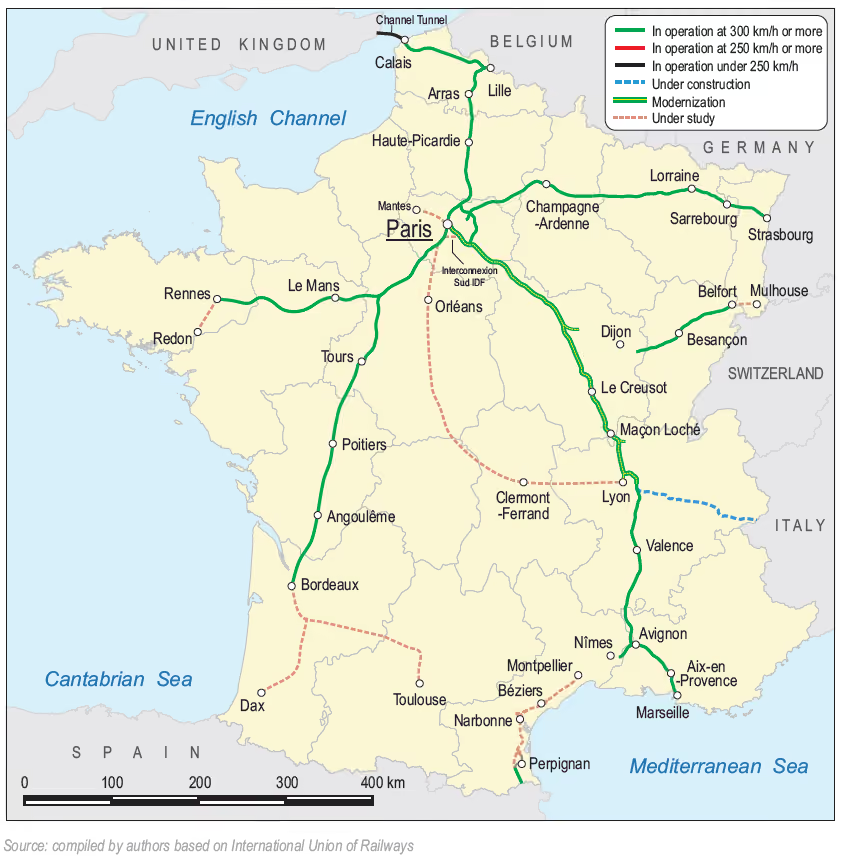
France was the earliest adopter of high-speed rail in Europe, launching the TGV connecting Paris and Lyon in 1981.
The TGV generated dramatic time savings and transformed the geography of French business and tourism. Car and plane travel times were cut by more than half. Paris-Lyon: 2 hrs. Paris-Marseille: 3 hrs. TGV also set a speed record of 357 mph.
TGV showed that HSR can connect cities that are too distant for commuting by car but competes with air travel on short-haul flights. France established the European model of combining dedicated high-speed lines with conventional railways.
912 Miles
45 million
#1
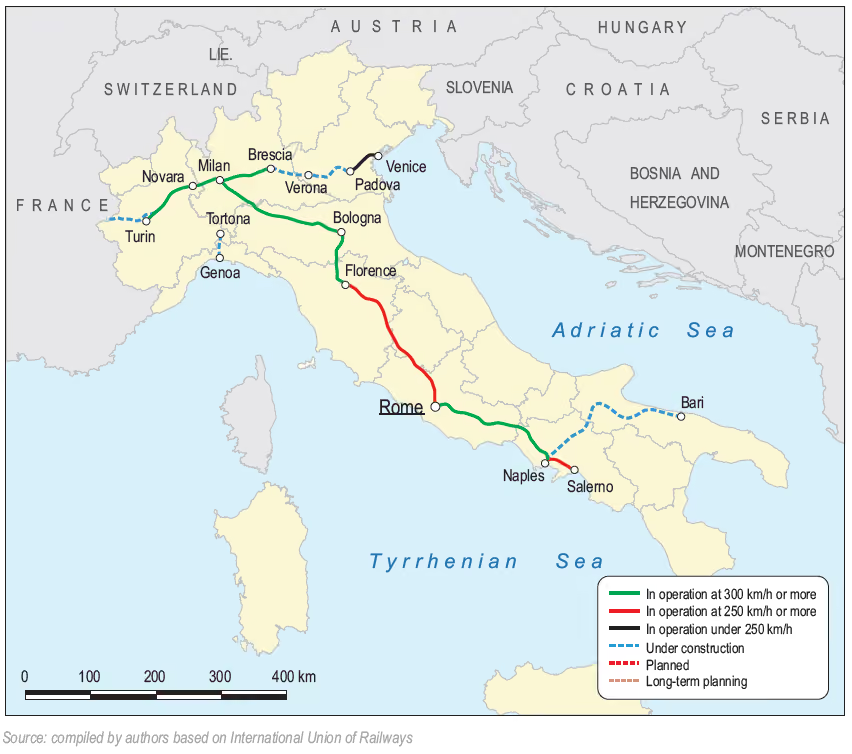
Italy has introduced competition on its high-speed infrastructure, leading to high ridership and superb customer service.
In 2012, the Italian high-speed rail operator, Italo, became the first private operator to compete with the state-run system, FS Italian. As a public market, Italy's high-speed rail operates without government subsidies and the economic impact of competition has been dramatic.
Ticket prices have fallen, GDP growth is up, ridership has increased by 200%, and travel times have been slashed. The high-speed rail network that began in 1978 with a Rome to Florence line now includes Milan, Bologna, Naples, Milan and Turin, with extensions coming in the North and South.
288 miles
100 million
186 mph
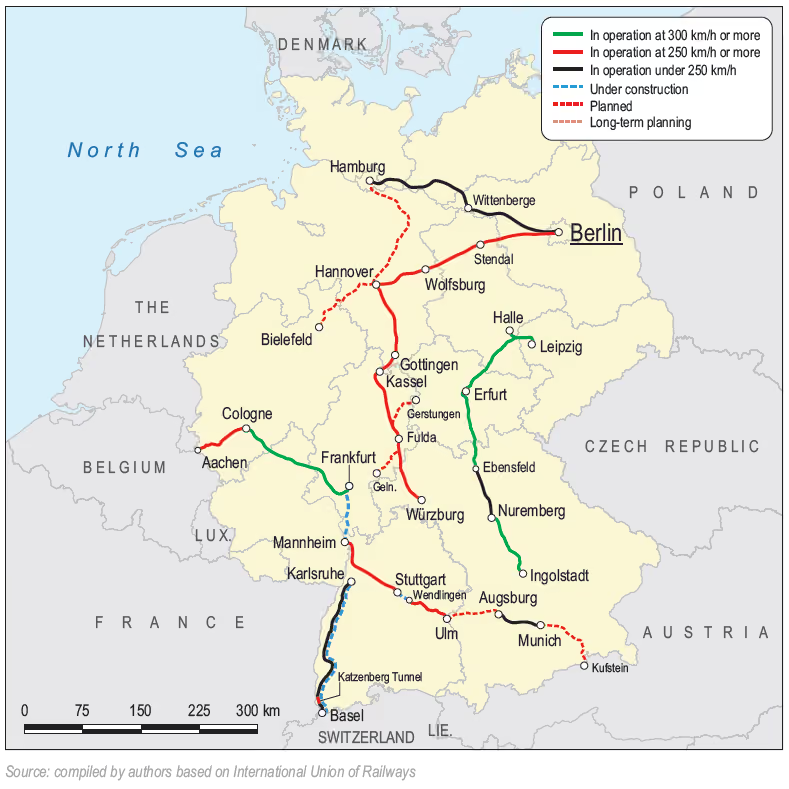
Unlike other nations, Germany combines limited dedicated high-speed rail infrastructure with a much larger, upgraded conventional rail network.
German rail is a mixed-running model that blends high-speed lines with updated conventional tracks in a polycentric network. True high-speed rail running at 186 mph spans 288 miles, connecting Cologne to Frankfurt and other major cities.
A study of HSR impact on air travel found that increased travel speed results in a mode shift as fewer passengers travel by air. This was especially true for short-distance domestic flights with a 1% increase in rail speed resulting in a .75% decline in air travel.
130 miles
186 mph
1 hour 22 minutes
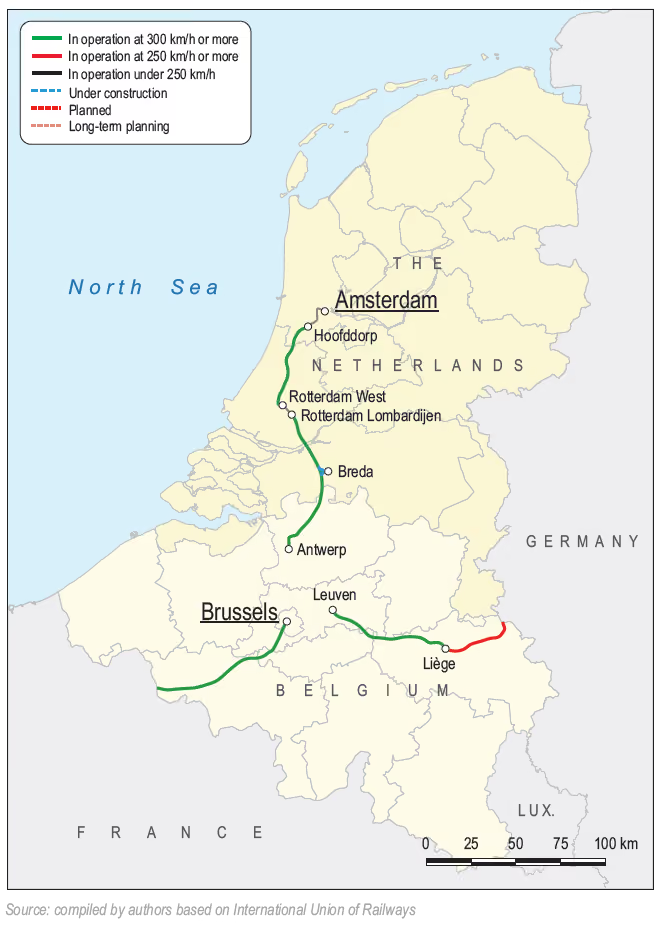
Belgium high-speed rail was among the first to create cross-border links with major European cities.
Belgium high-speed rail connects directly to Paris, London, Cologne, Rotterdam and Amsterdam. The result has been a mode shift to HSR as travelers move away from car and air travel. Carbon emissions reductions have accompanied the mode shift.
H
Belgium high-speed rail cooperates with international operators that include Eurostar, Germany's ICE and French TGV. With trip times under 2 hours to Paris, Amsterdam and other cities, HSR has enhanced Brussell's standing as a commercial and diplomatic hub.
46 miles
11 million
#1
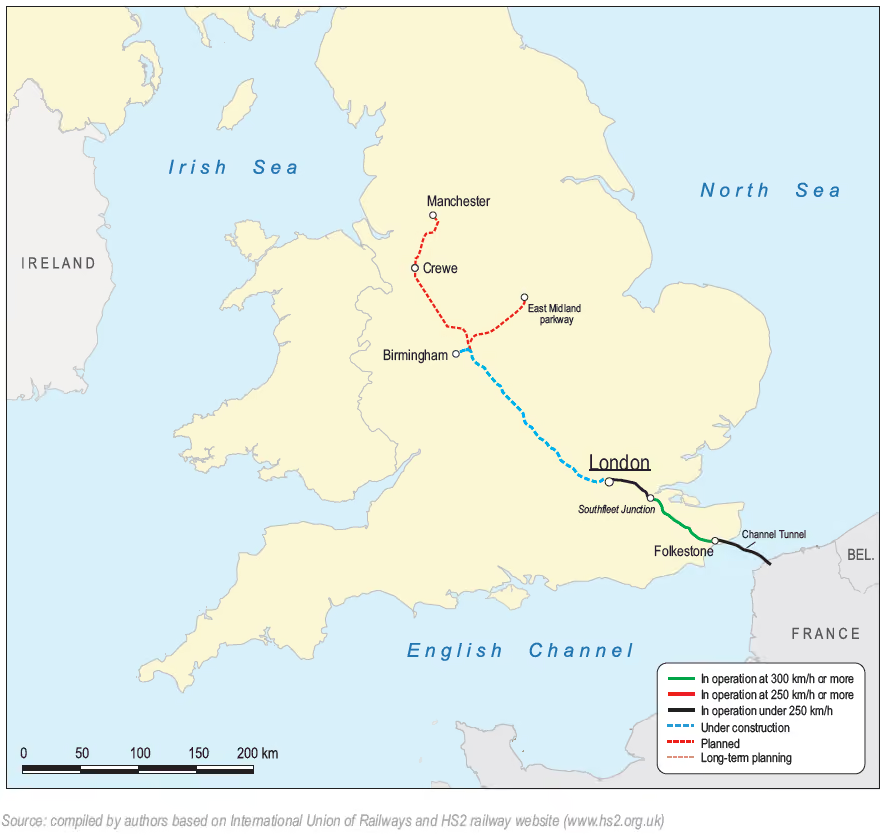
The United Kingdom has embarked upon a two-pronged high-speed rail strategy.
HS1 is an established high-speed rail line connecting London to continental Europe through the Channel Tunnel. HS2 will create a new domestic high-speed backbone between London and Birmingham and conventional rail further north.
Faster travel time from London to Paris (3.5 hrs. vs 5 hrs door-to-door by air) has created economic benefits for both the UK and continential Europe. HS2 employs 31,000 workers but civil engineering is 4 years behind schedule.
56 miles
15-18 million
Netherlands High-Speed Rail Connects to the European Network
Netherlands is an example of a smaller nation using high-speed rail to access the larger economies of Europe. The line from Amsterdam to Rotterdam includes the international airport in Schiphol, which aids in the mode shift from aviation to HSR.
Ecconomic integration with the continent and with the U.K. through the Channel Tunnel, has been a major goal. Domestic connectivity has added to economic activity between cities and including Schnipholl airport has increased passenger traffic.
422 miles
23 million
-58°F
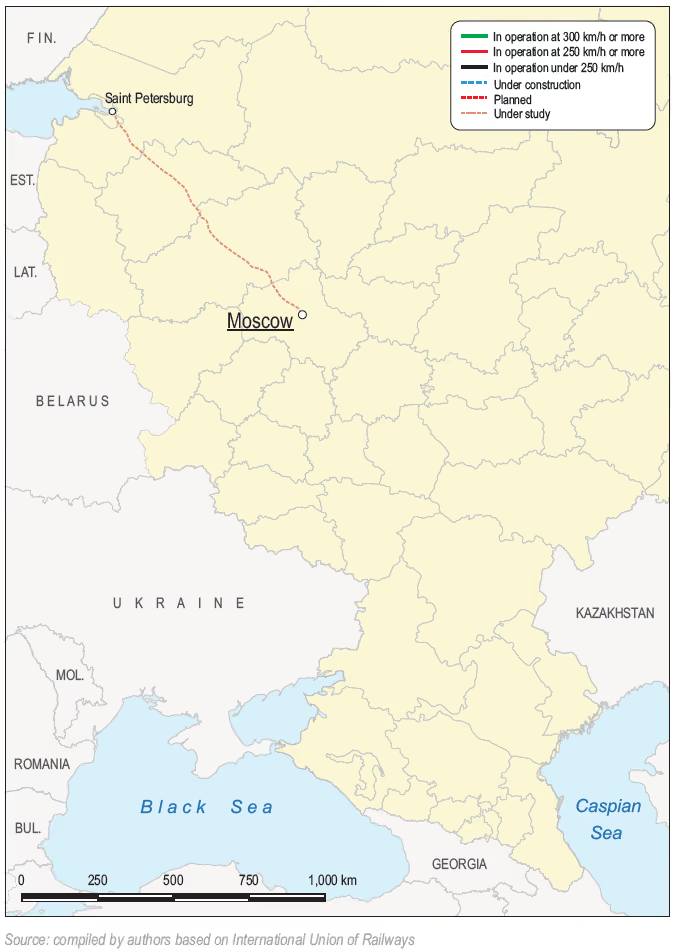
Russia's first major HSR project will run from Moscow to St.Petersburg
The 422-mile project is designed for trains capable of traveling up to 250 mph. The 2 hour 25 minute trip is projected to begin service in 2028 and will create jobs,
stimulate the local economy and increase tourism.
The project is intended to be the first segment in a larger nationwide bullet train network. The strategy is to make same-day travel between Russia's two largest economic centers a reality.
1,676 miles
up to 130 million
2032
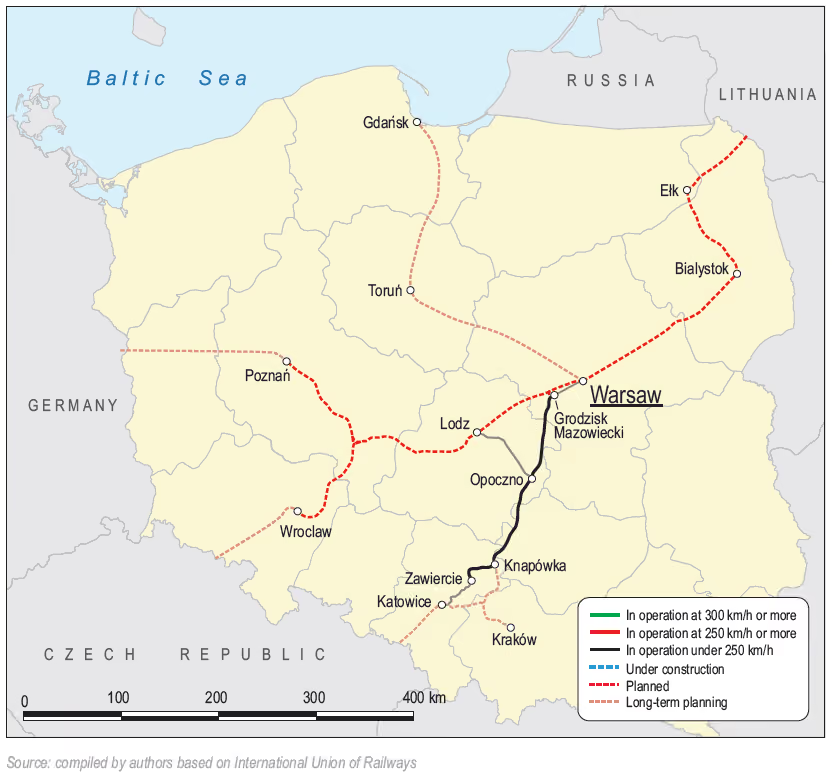
Poland is designing a new high-speed rail network
Poland is moving away from slower rail to build a true high-speed rail network with trains running at or above 186 mph. The first segment of the 1,676-mile network between Warsaw/CPK and and Łódź is targeted to begin operation around 2032.
Branches to Wrocław and Poznań are projected to open around 2035. The new network will connect Warsaw to major regional capitals; integrate the CPK airport;
shift intercity trips from roads and aviation; and support balanced regional growth.
465 miles
40 million
2032
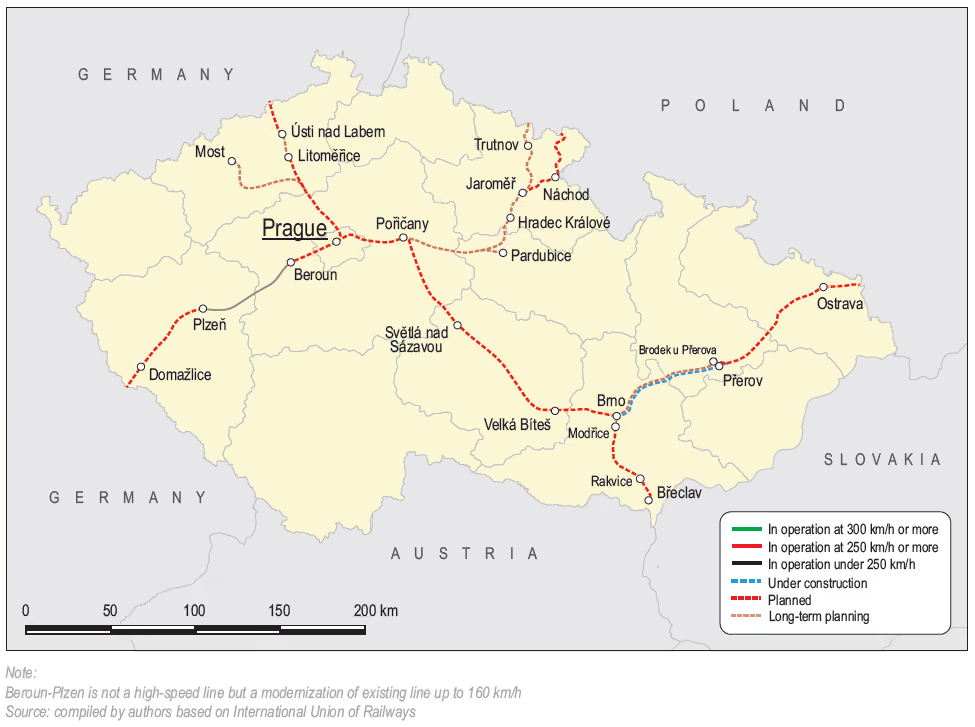
The Czech Republic is developing a high-speed rail network that will seamlessly integrate into the broader European network.
The primary rationale for the project is integration into the European high-speed network. Czechia is located between Germany, Austria, Poland and Slovakia. HSR allows Prague and Brno to become better connected to the European high-speed rail system.
Czechia's high-speed rail system will include major corridors with trains traveling at 198 mph. Travel time from Prague to Brno, the backbone of the system, will take about 1 hour, compared to about 2 hrs 40 min on the current conventional rail line.
372 miles
2.5-4 million
2030
Portugal has launched a "flagship" cross-border high-speed rail project with Spain.
The European Commission calls the venture with Spain to connect Lisbon to Madrid a "flagship" cross-border project that "advances the full integration of Portugal and Spain into the European high-speed rail network."
By 2034, the 372-mile corridor is projected to transport passengers between the two European Union capitals in 3 hours. Another HSR project will connect Lisbon to the city of Porto on the west coast 186 miles away in 1 hr 20 min.
73 miles
2 million
2040
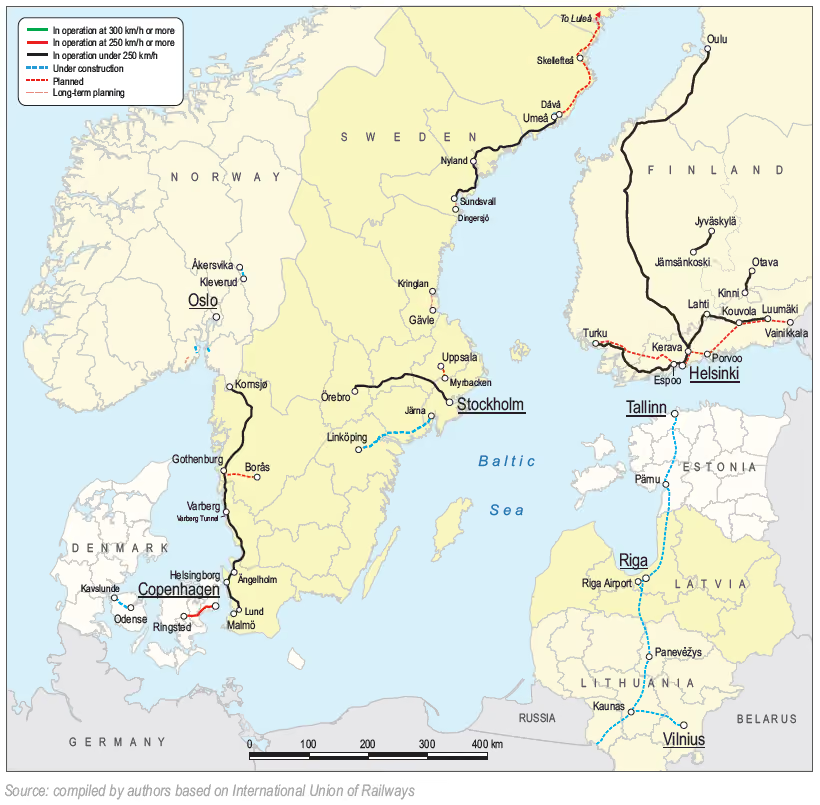
Finland is planning to build its first high-speed rail corridor.
The 73-mile Itärata project would be Finland's first true HSR line, with trains traveling at 186 mph. The rationale is to create a more direct connection from Helsinki to the eastern Finnish rail system and then to the larger European network.
Itärata (the West Railway) is in the design and planning phase. If approved for construction, it could be operating by 2040. Finland is also developing the Länsirata (East Railway), which is designed for HSR speeds but will operate below them.
MIDDLE EAST & AFRICA
open all280 miles
9 million
2018
Saudi Arabia is expanding upon its first high-speed rail line
Haramain High-Speed Railway, the nation's first HSR line, opened in 2018 and now carries 9 million passengers annually. In 2026, Haramain ordered 20 additional trainsets to the current 35 to increase annual capacity to 30 milion passengers.
The 155 mph Jeddah to Riyadh Saudi Landbridge Project is still being planned and is expected to be completed in phases before 2034. It will provide an East-West link between the country's two biggest economic regions.
124 miles
5.6 million
#1
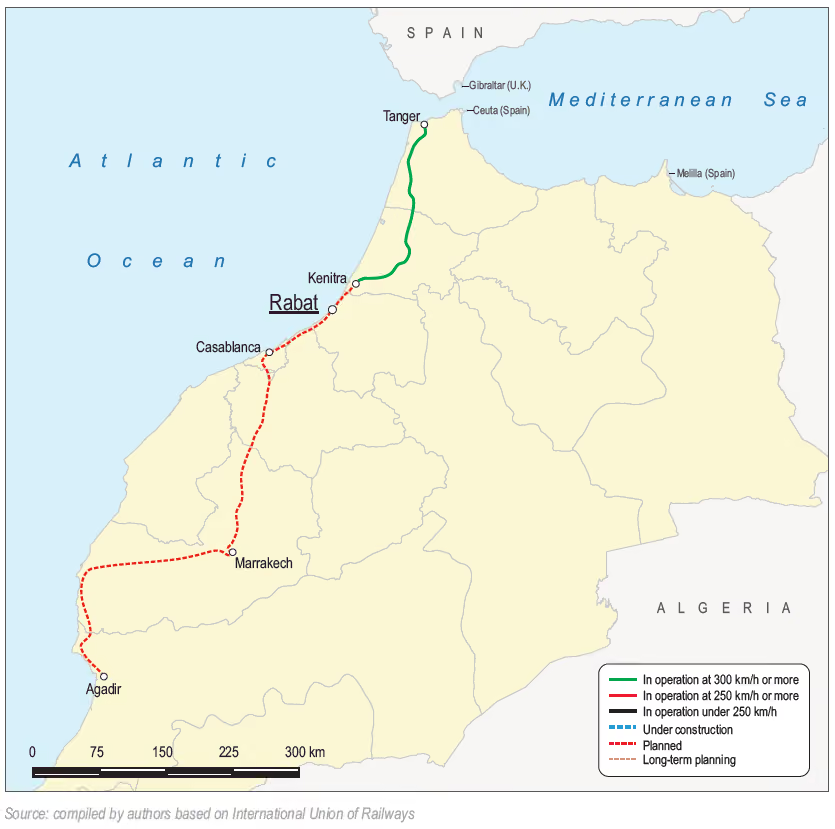
Morocco is expanding Africa's first true high-speed rail corridor.
The Al Boraq HSR service began operation in 2018, traveling 116 miles from Tangier to Kenitra at speeds up to 198 mph. The remaining leg from Kenitra to Rabat and Casablanca operates at lower speeds on upgraded conventional rail.
Morocco has begun a major HSR expansion southward from Kenitra through Rabat and from Casablanca to Marrakech. Travel time for the 267-mile trip will be 2 hours and 40 minutes compared to over 6 hours by car and an estimated 3 to 4 hours door-to-door by plane.
213 miles
39 million
217 mph
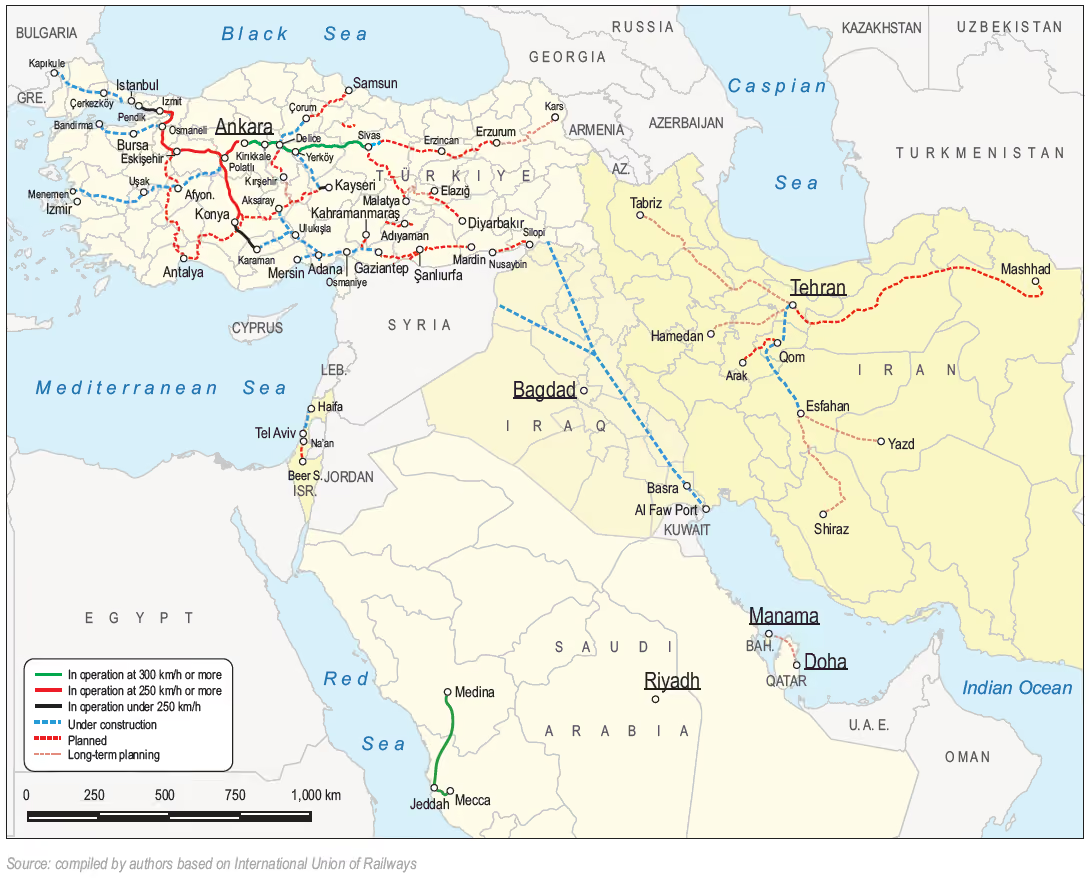
Turkey plans to build true high-speed rail connecting Istanbul and Ankara.
Since 2009, Turkey has build a 1,400-mile "fast" rail network but with no trains traveling at speeds of 186 mph or higher. Now it wants to construct a "Super High-Speed Railway" line that will connect Ankara to Instanbul at speeds of 217 mph.
Turkey wants to connect its largest cities by high-speed rail in under 80 minutes and shift intercity travel from cars and planes to high-speed rail. Turkey would like to create a rail network centered around Ankara that can expand nationwide.
398 miles
14 million
186 mph
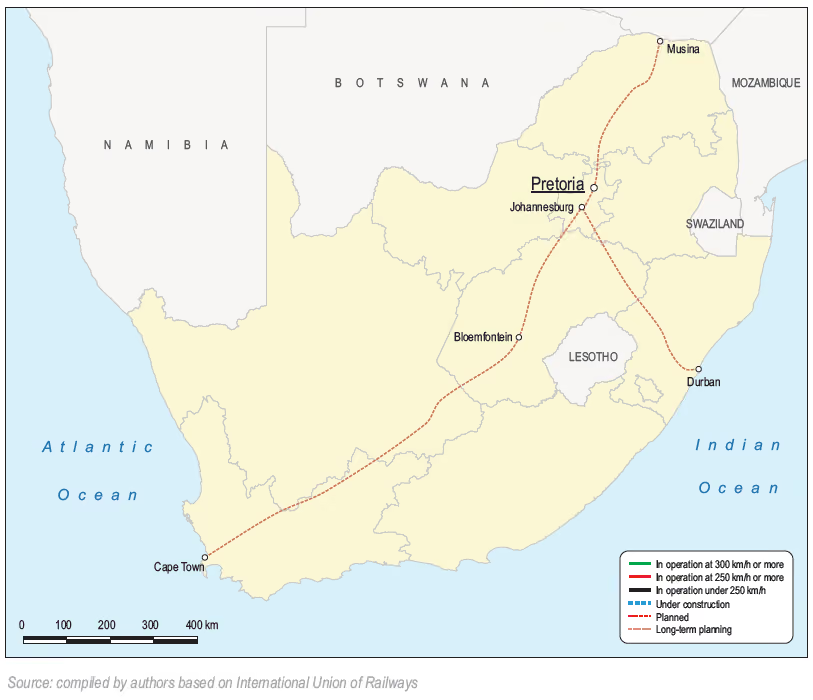
South Africa is planning high-speed rail from Johannesburg to Durban.
The 398-mile project would connect the country's largest economic hub with its primary Indian Ocean port in approximately 3 hours. That's about half the average drive time. The project is in the early planning stage with about 30 companies expressing interest.
High-speed rail would reduce highway congestion, spur tourism and coastal development, and provide an alternative to domestic air travel. It would also expand labor and business markets, create construction and manufacturing jobs, and drive development around stations.
AMERICAS
open all17,000 miles
171
2033
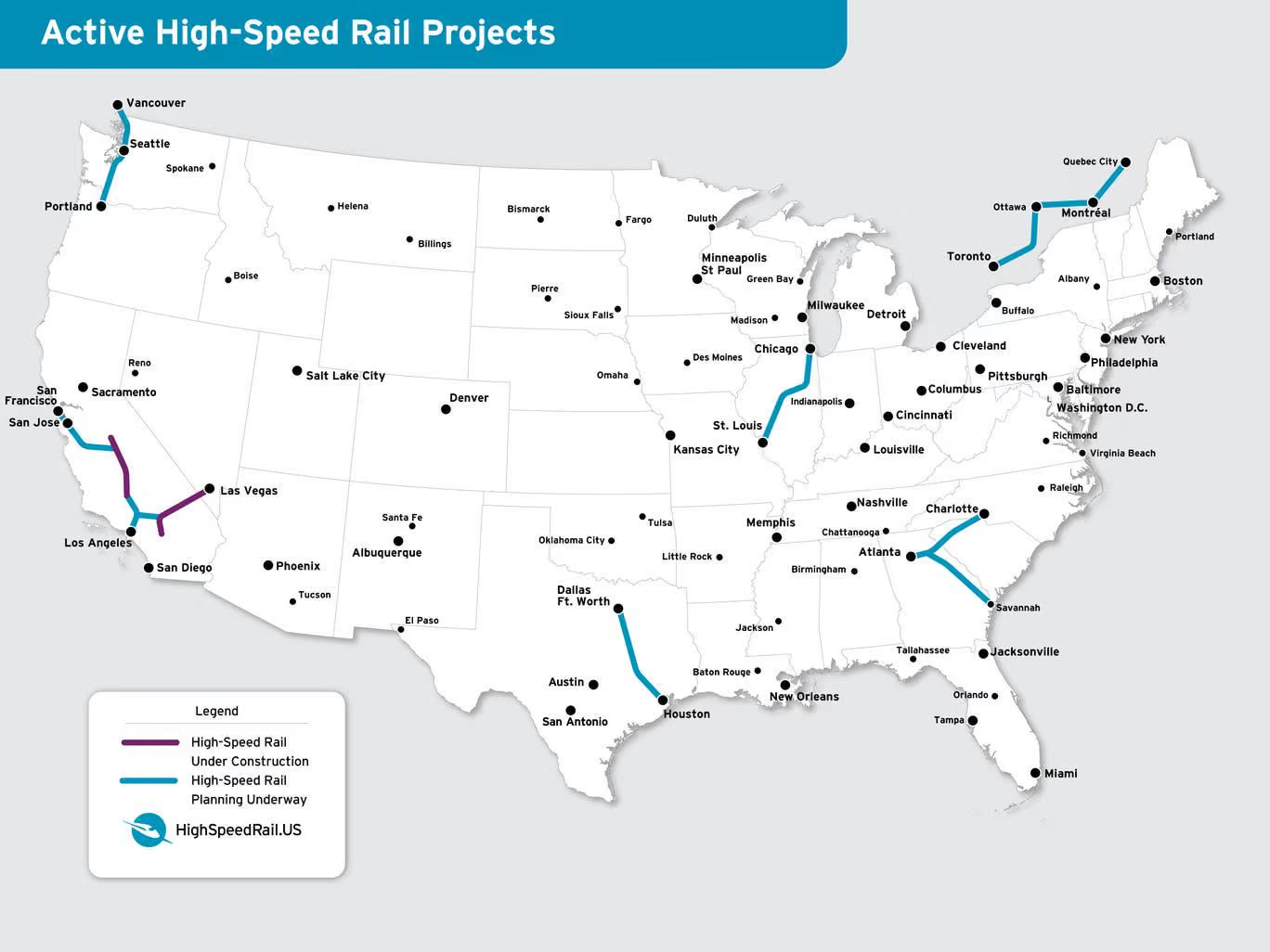
America is building high-speed rail, with the projects underway on the West Coast picking up speed.
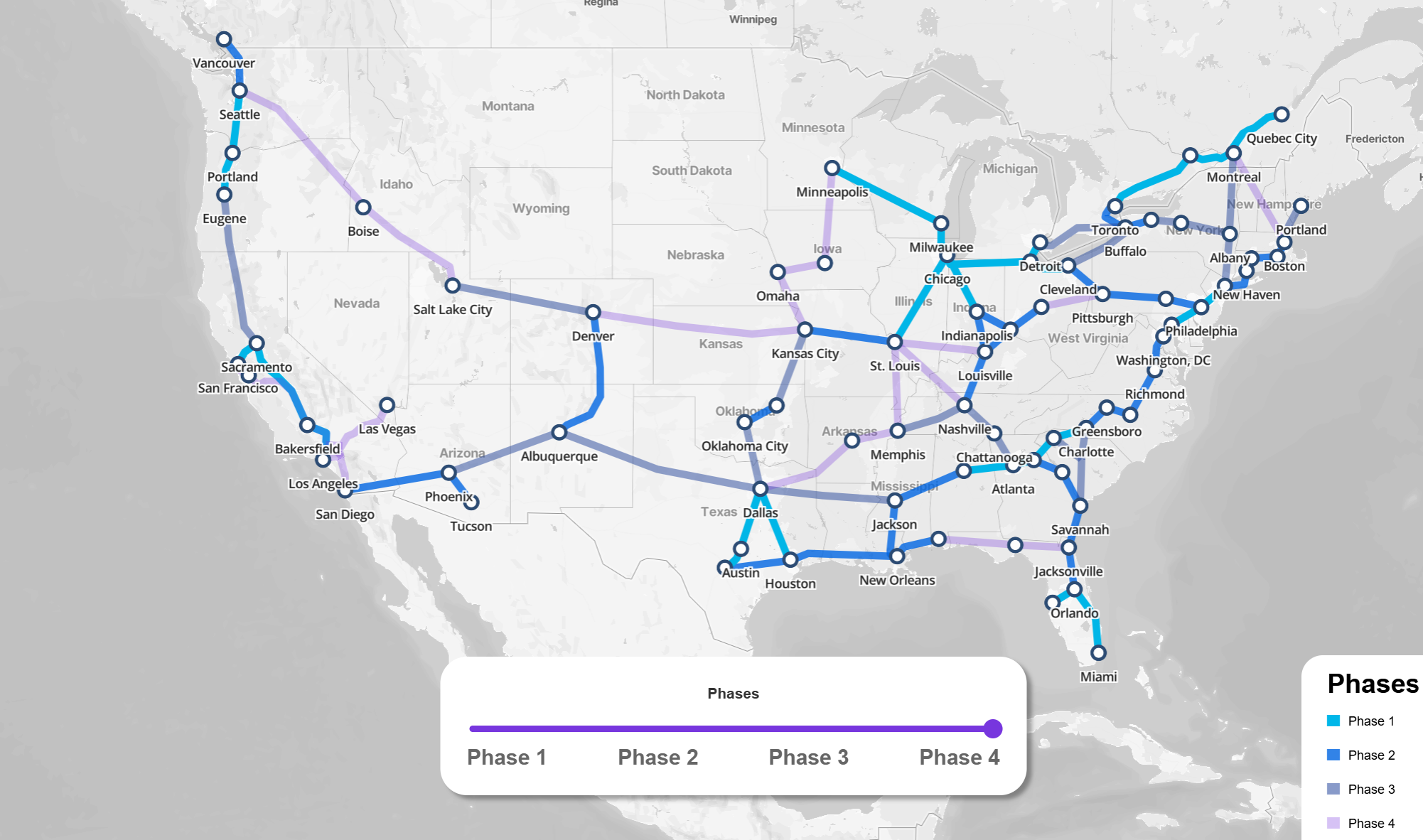
Americans want the fast, clean and safe high-speed rail that nations around the globe enjoy today. California is building a 494-mile bullet train from San Francisco to Los Angeles, In Nevada, construction is underway on Brightline West, which will confess Las Vegas to Southern California. And the 54-mile High Desert Corridor project will connect the two lines.
High-speed rail projects are in planning and design stages around the nation -in the Pacific Northwest, Texas, Midwest, Southeast and Northeast Corridor. High-speed rail will reduce congestion, promote new housing development, lower emissions, connect rural and urban communities, and enable workers to commute to good paying jobs in high employment centers.
621 miles
43 million
2029
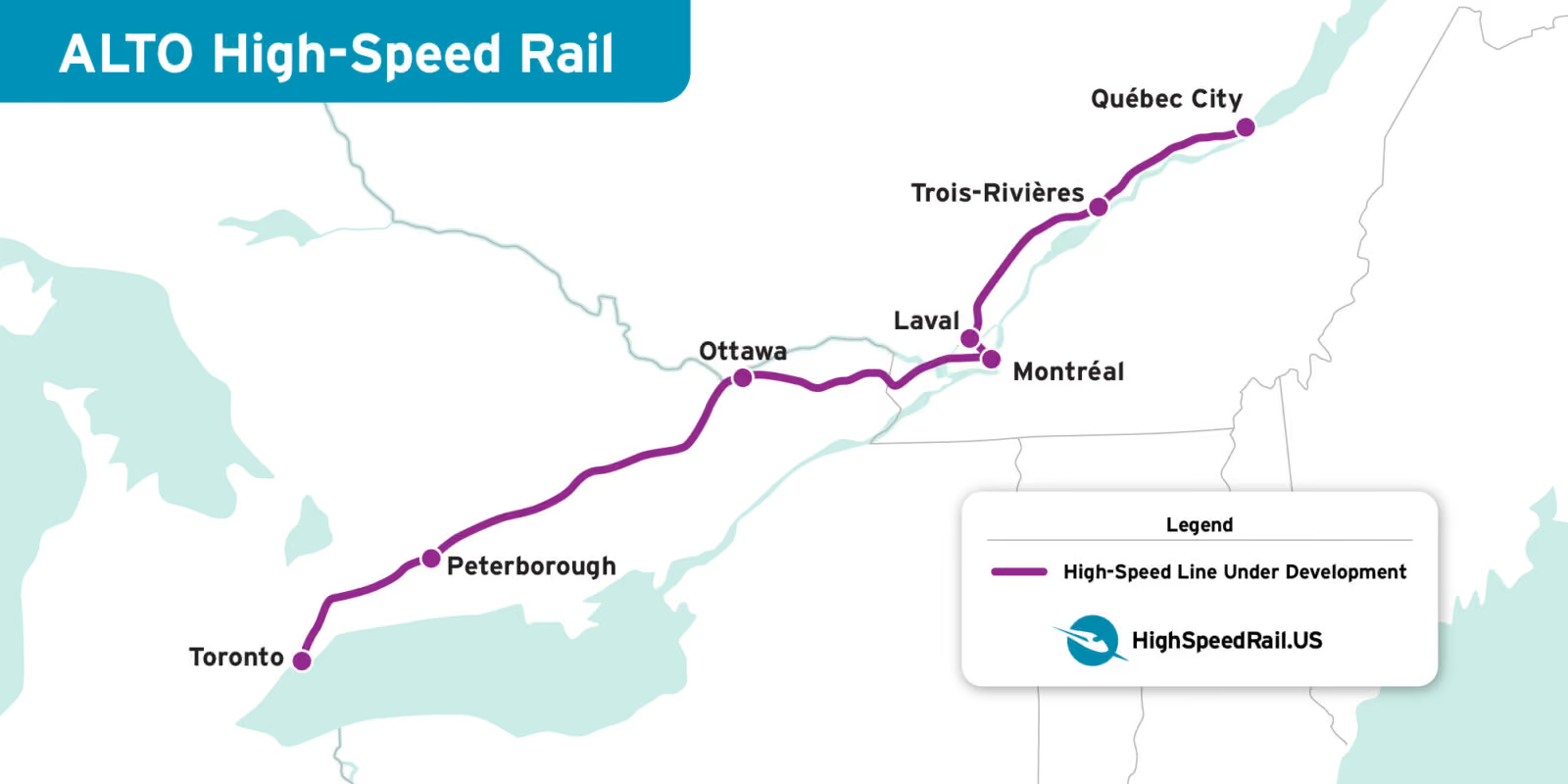
With the Alto project, Canada will connect nearly half of its population with by high-speed train.
Canada's first high-speed rail project - Alto - is targeting the 621-mile corridor from Toronto to Quebec City. It will create more than 50,000 jobs, add $35 billion to Canada's GDP and spur development of about 63,000 homes.
Alto is more than a transportation project. Its broad goals are to increase productivity, economic growth, housing, and tourism, while reducing traffic congestion, travel times and dependence on cars the airplanes.
318 miles
20%
217 mph
Brazil is planning South America's first high-speed rail line.
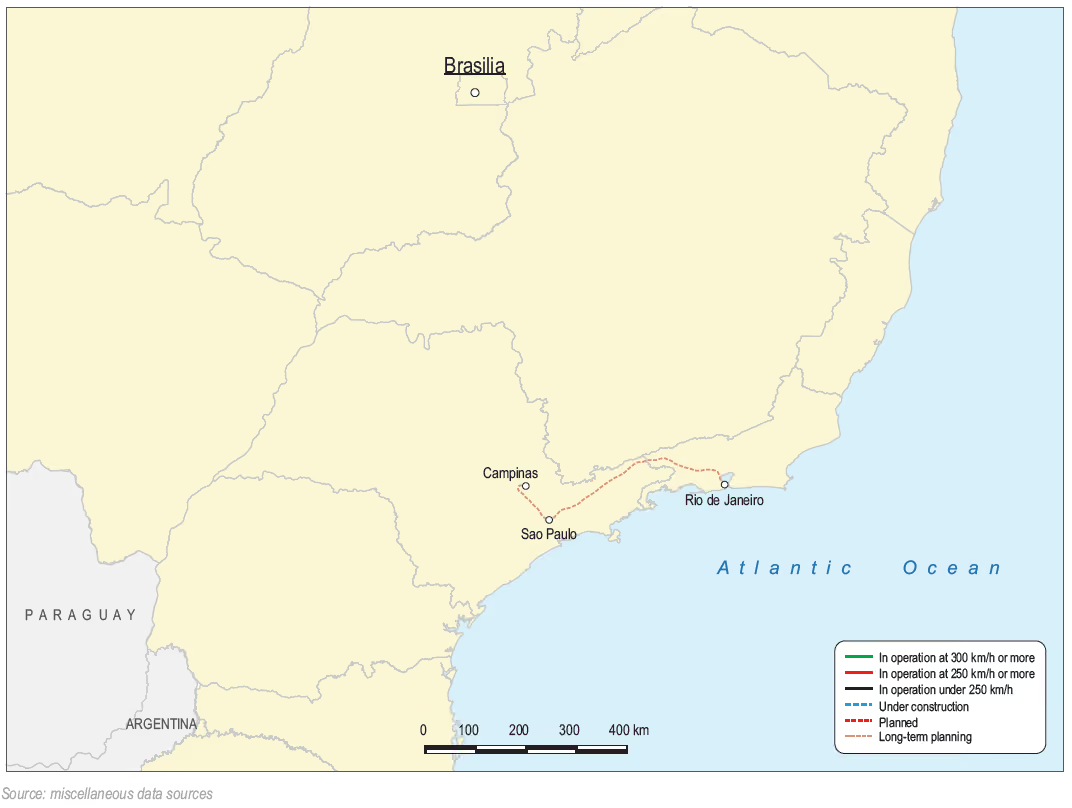
Today, Brazil doesn't operate true high-speed rail with trains running at 186 mph or faster. But the government has approved planning for a 235-mile bullet train from Rio de Janeiro to Sao Paulo, Brazil's two largest cities in uder 2 hours.
TAV Brazil, the authorized project developer, says the project will be privately financed. High-speed rail will create jobs, expand labor and commercial markets, promote tourism, and reduce congestion and emissions.
High-Speed Rail Examples Worldwide
Explore how other countries are building transformative high-speed rail networks.

How China out-built the rest of the world on high-speed rail.
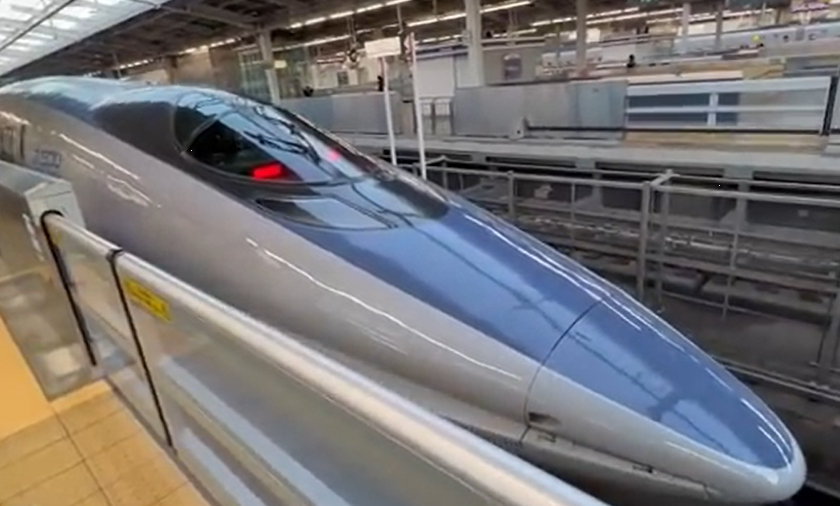
Japan built the world's first high-speed rail in 1964. Their network continues to transport millions of passengers safely and efficiently every year.
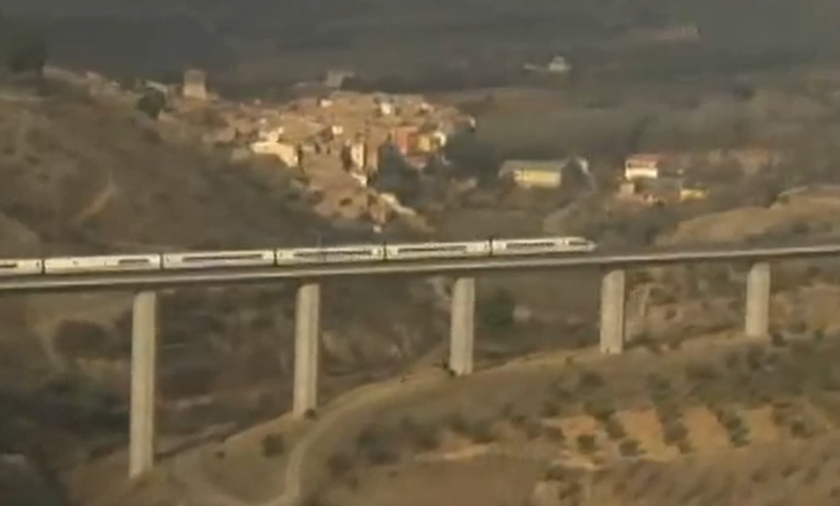
Spain quickly built out their high-speed rail network and continues to expand to connect more communities.
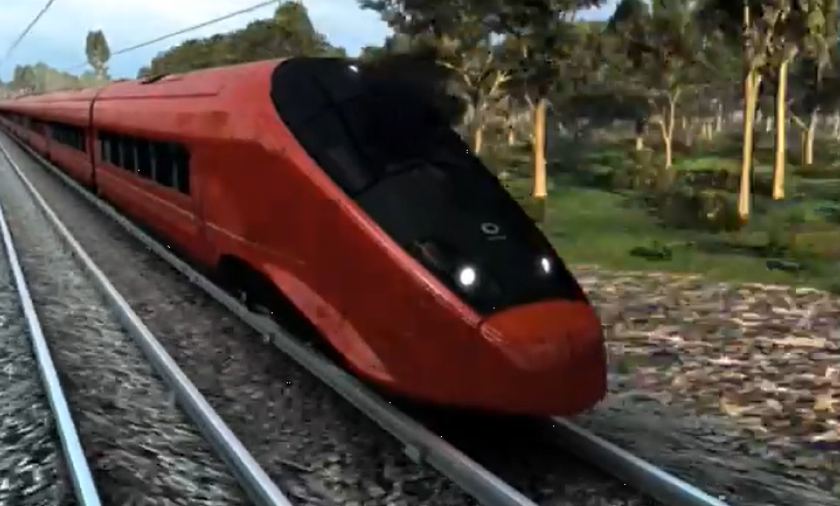
Italy is a great success as the first country to enjoy two high-speed rail operators sharing infrastructure for efficiency.
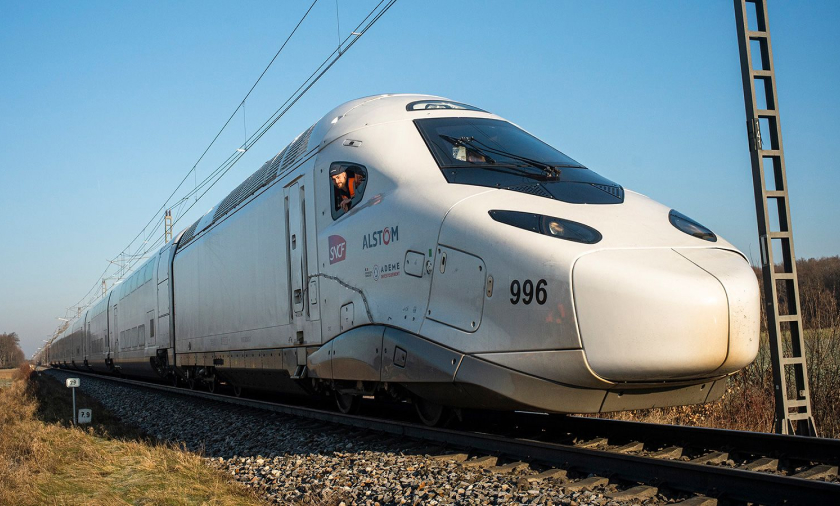
France’s TGV network shows how frequent, high speed trains can connect major cities quickly and reliably across the country.
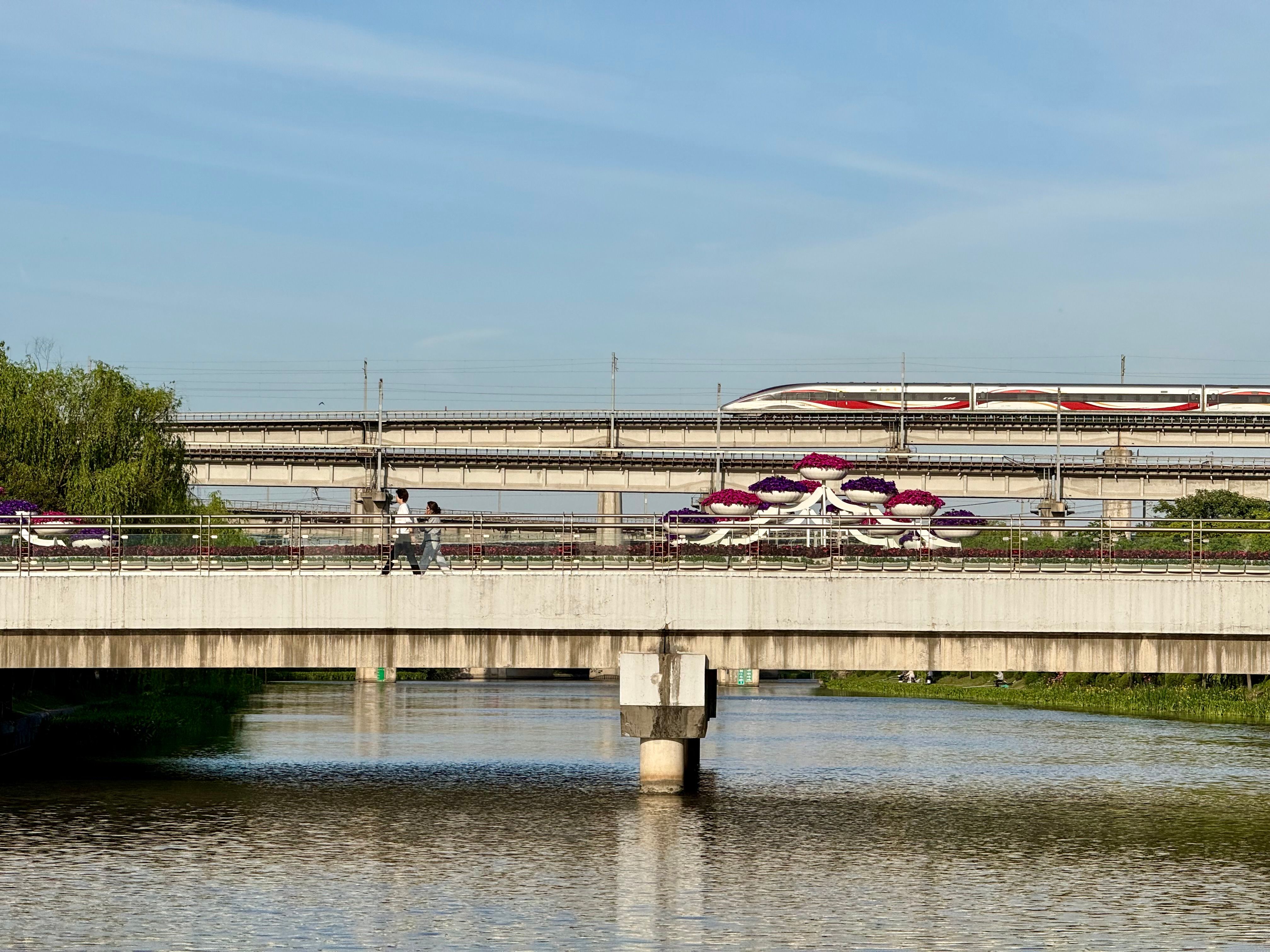
High-Speed Rail Worldwide
The International Union of Railways (UIC) maintains a comprehensive atlas of gobal
high-speed rail data.
.avif)