Since 1964, high-speed rail has spread around the world.

High-speed rail is a proven technology, with decades of global experience and success. What started in Japan over 60 years ago has spread across the world, with revolutionary results.
Explore the History of High-Speed Rail
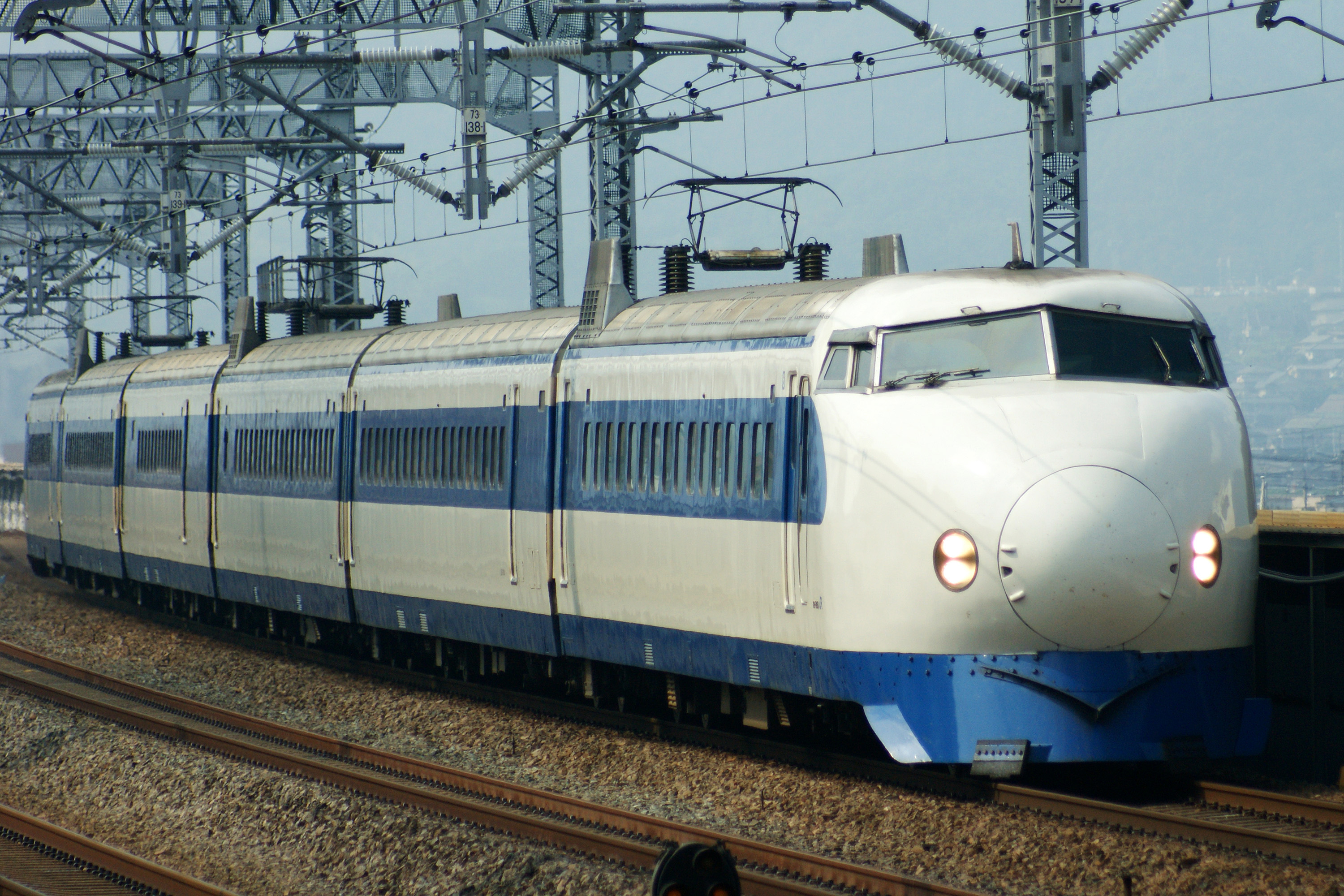
In 1964, Japan transformed modern transportation with the launch of the Tokaido Shinkansen, the world's first high-speed rail line. Built in a dedicated, sealed corridor that allowed for very high speeds, the 320-mile route connected the cities of Tokyo and Osaka. Today, the Shinkansen has grown into a 2,000 mile high-speed rail network that carries over 150 million passengers every year.
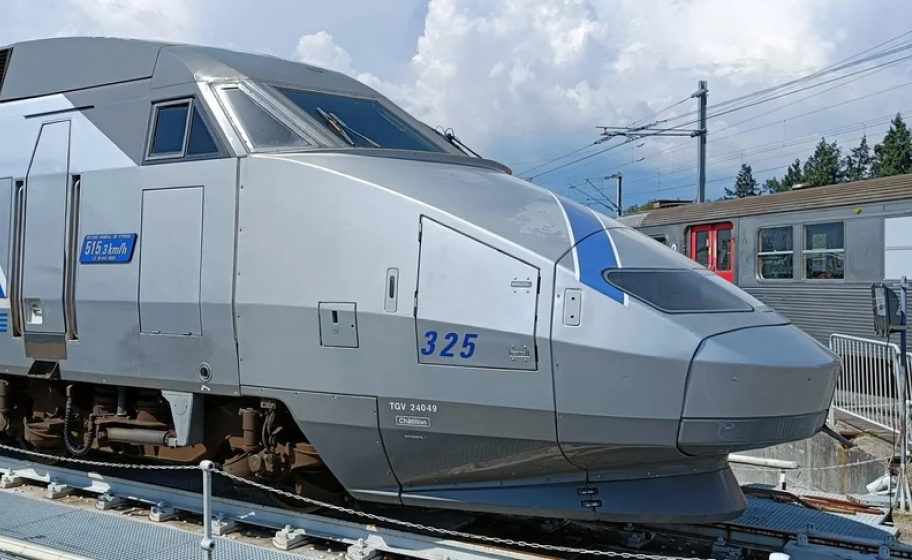
Inspired by Japan's Shinkansen, France launched the world-famous TGV between Paris and Lyon in 1981. At, 1,740 miles long, France's high-speed network is now the second largest in Europe. High-speed rail has become so popular in the country that a French Railways president declared that the TGV was "the train that saved French railways."
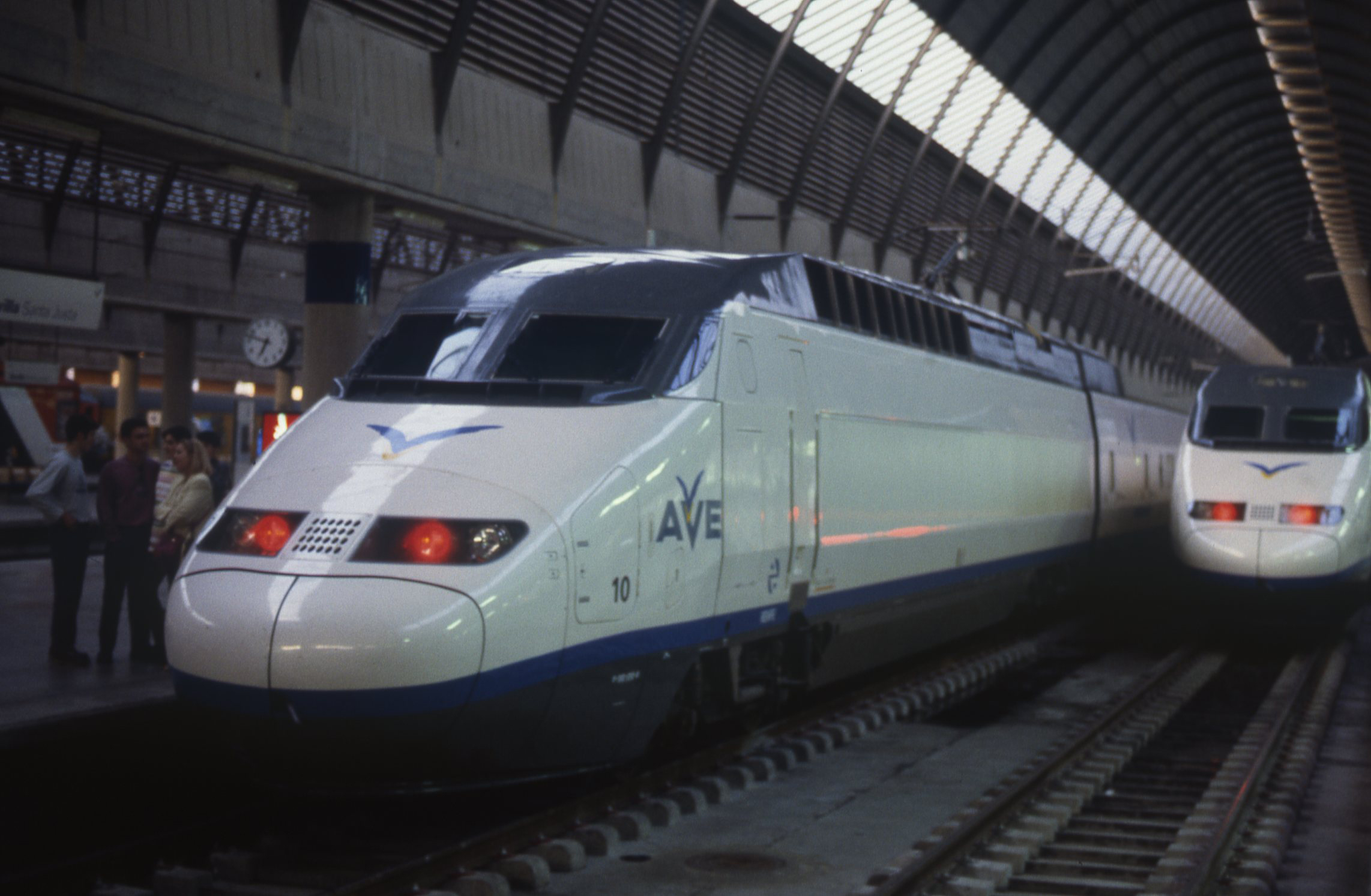
Since opening it's first high-speed line connecting Madrid to Cordoba to Seville in 1992, Spain has leapt ahead of its European peers. At 2,500 miles long, Spain's high-speed network is today the longest in Europe and the second largest in the world. According to the journalist Maria Ramirez, the construction of Spain's high-speed rail network "is a transformation that has also changed people’s lives – trains are increasingly the fastest and cheapest way to travel around the country."
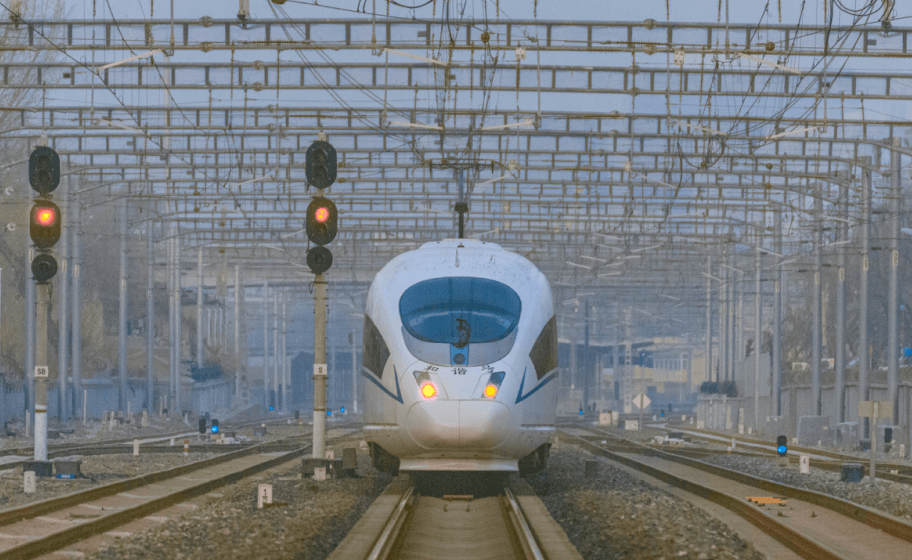
In August 2008, China opened the 75-mile high-speed line between Beijing to Tianjin, with trains traveling at 217 mph between North China's two largest cities. It was the start of a high-speed building spree that continues to this day and has become one of the largest public works projects in world history. At over 30,000 miles long and counting, China's high-speed rail network is today easily the longest in the world, with thousands of bullet trains carrying over 3.3 billion passengers annually and connecting hundreds of major cities across the vast country.
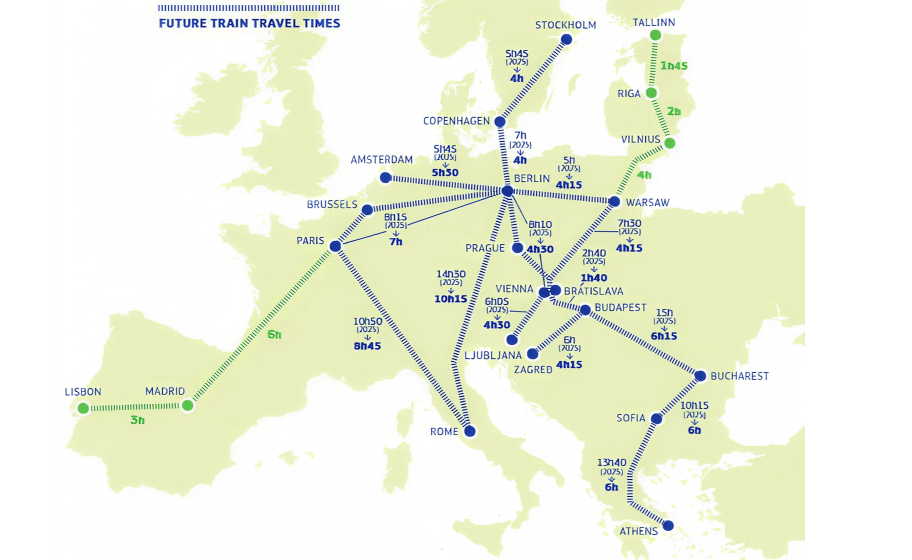
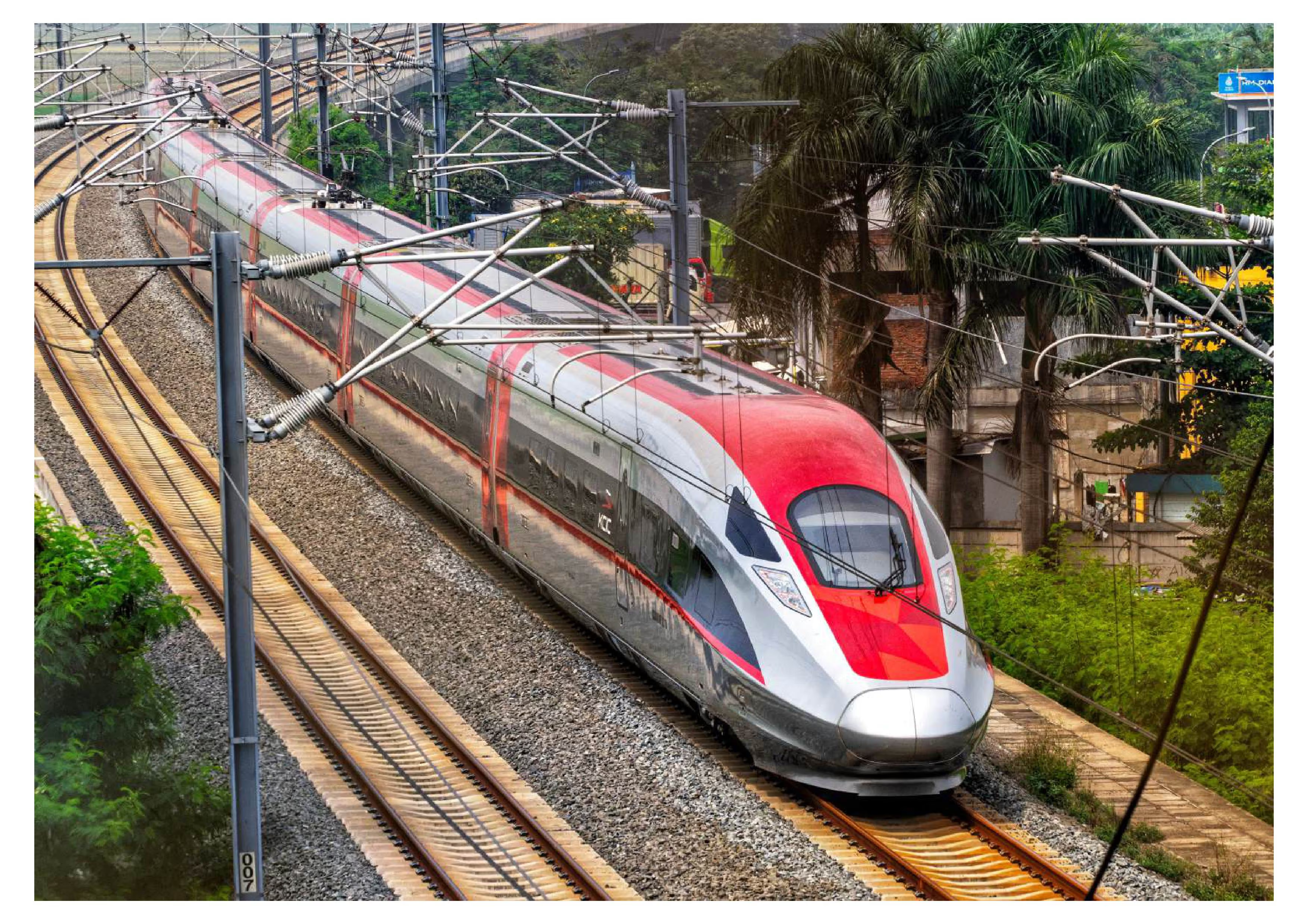
Today, high-speed rail has spread around the world, with high-speed trains operating in 14 different countries from Asia and Europe to North Africa and the Middle East. Another 13 countries are developing high-speed rail systems. Africa plans to connect all of its economic and political capitals in a single continental high-speed rail network by 2063. Meanwhile, the European Union has announced a plan to connect all of its capitals and major cities above 250,000 people with high-speed rail by 2040.
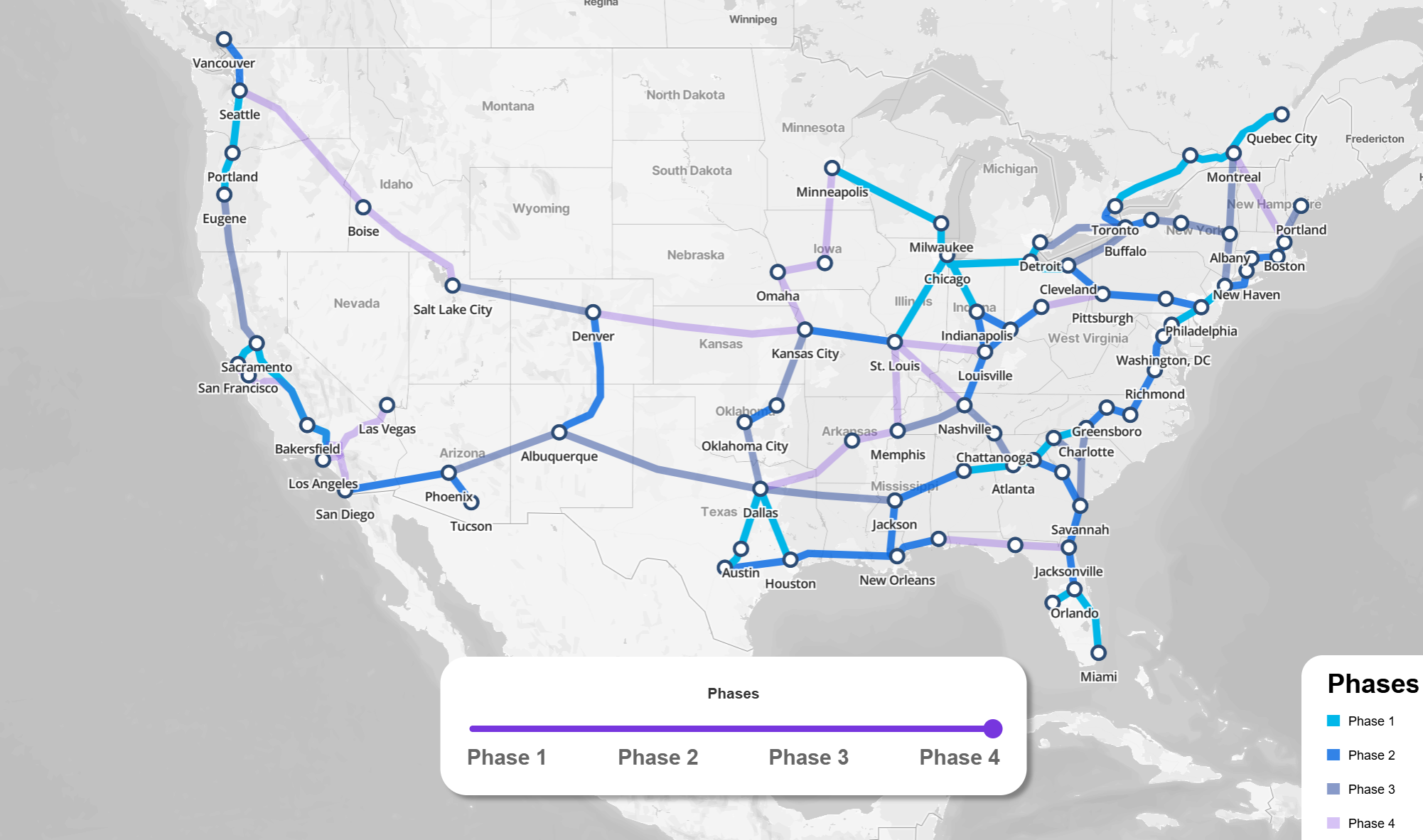
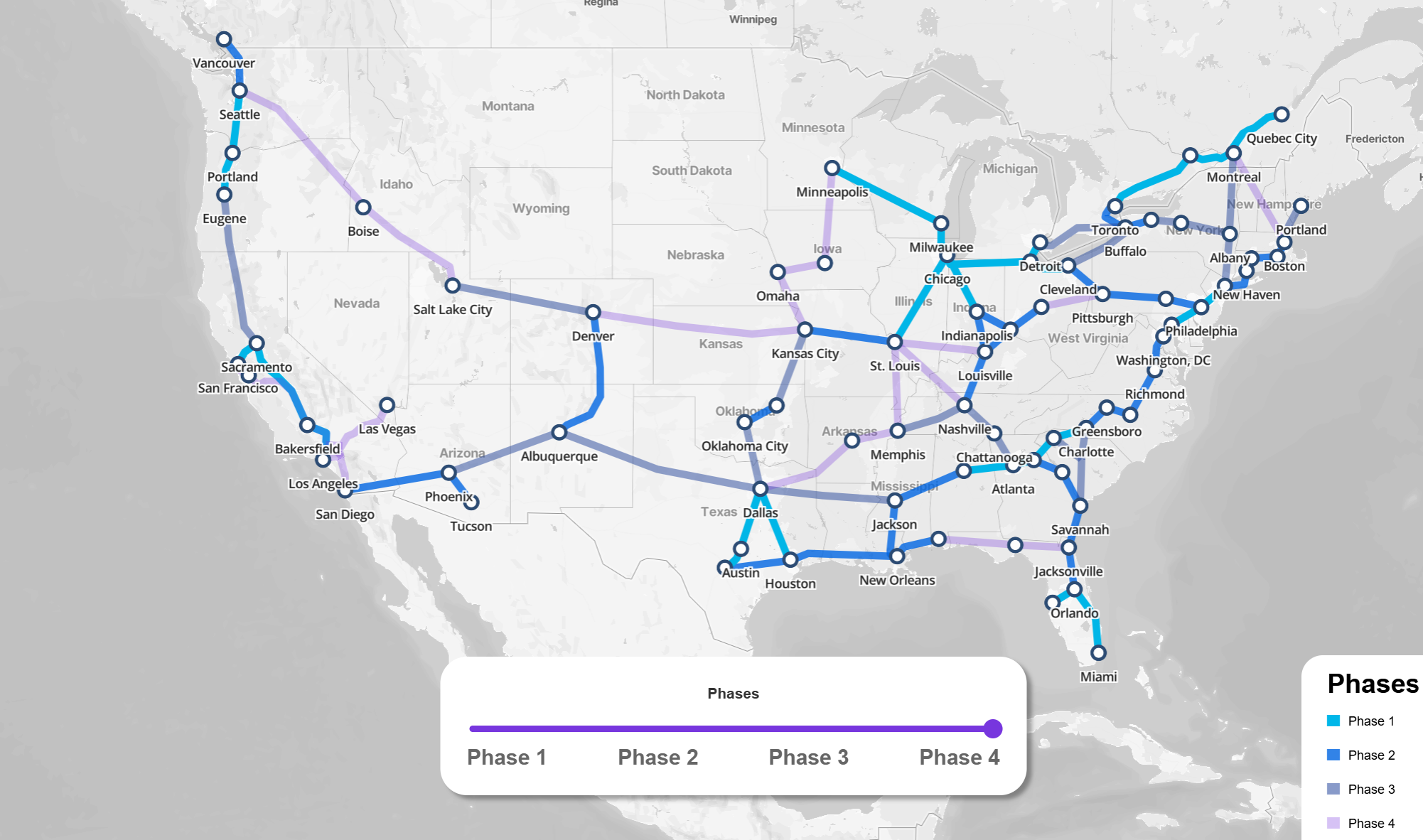
Inspired by the growth of national and continental high-speed rail networks across the world and America's history of transformative infrastructure projects, USHSR has developed a vision for a nationwide high-speed rail network spanning the United States. See the Network Phasing Map page for our four-phase vision for an American bullet train network.